

Panel PC for Transportation: Ticketing, Dispatch, and Passenger Information
A transportation Panel PC has to do three jobs at once: support transactions, help staff manage operations, and keep passengers informed in fast-moving environments. In airports, metro stations, rail platforms, and bus terminals, the hardware must stay visible, stay online, and fit into tight spaces without interrupting the passenger flow. That is why transportation projects often rely on integrated Panel PCs rather than separate monitor-and-PC combinations.
The transportation environment is different from most other Panel PC use cases because uptime, readability, and mounting flexibility are all equally important. If the display is hard to see or the terminal is difficult to service, the whole station experience suffers.
Why transportation needs a different approach
Transportation hubs are high-traffic, time-sensitive spaces. Passengers make decisions quickly, staff must react fast, and information has to be updated without delay. A Panel PC used in these settings must therefore support continuous operation while remaining easy to understand from a distance.
Unlike a private office or backroom terminal, transportation hardware is part of the public experience. That means the display, touch response, mounting style, and system reliability all affect how people move through the space. The hardware is not only a device; it is part of the passenger journey.
Ticketing applications
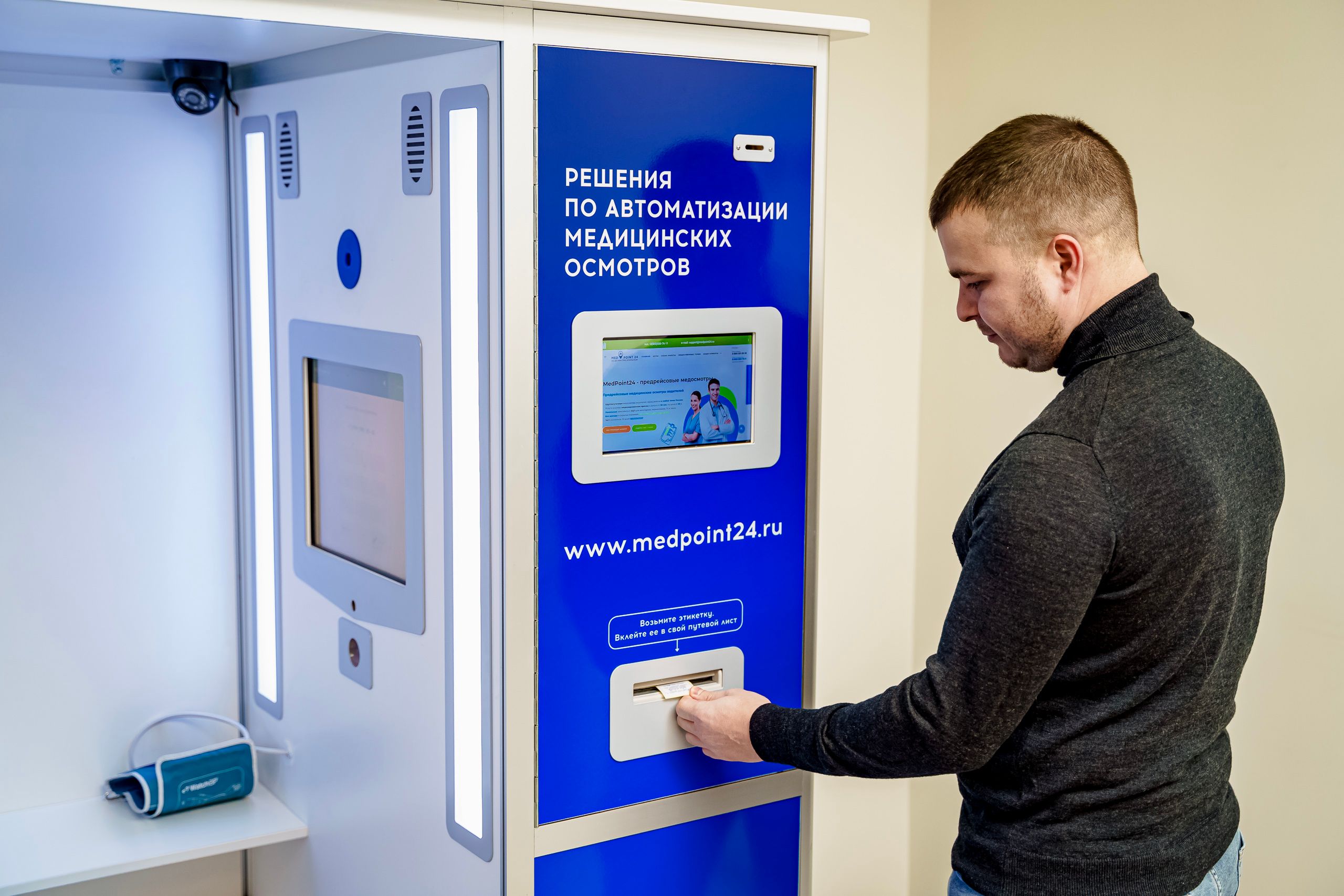
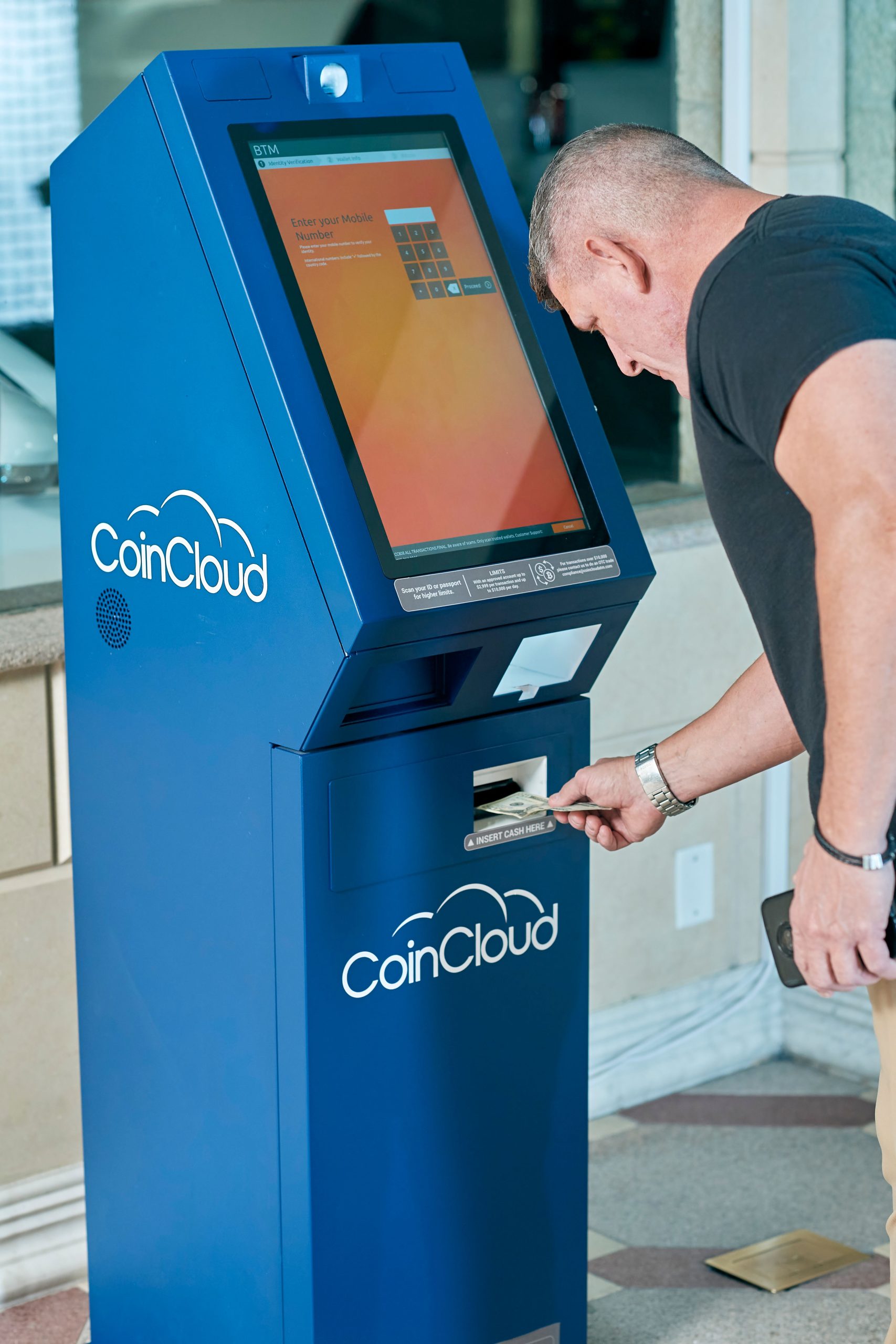
Ticketing is one of the most visible transportation use cases. A Panel PC may be used for ticket purchase, trip selection, queue handling, self-service printing, or fare-related workflow. In busy transport settings, the interface has to be straightforward enough that passengers can complete the task with minimal assistance.
The challenge is not just interaction, but throughput. A ticketing terminal should keep lines moving, reduce staff pressure, and stay readable under changing lighting conditions. For airports and rail systems, that often means selecting hardware that combines touch clarity with dependable runtime.
Panel PC for Transportation, Dispatch and staff control
Dispatch operations require a different kind of Panel PC use. Staff may use the terminal to coordinate vehicle timing, monitor arrivals, manage routes, or track operational status. In this role, the Panel PC becomes a control point that supports decisions in real time.
Because dispatch work is operationally sensitive, stability matters as much as screen size. A slow or unreliable terminal can interrupt communication and reduce the quality of the entire transport workflow. That is why dispatch often favours industrial all-in-one devices with strong integration and dependable mounting.
Passenger information displays
Passenger information is one of the most important public-facing tasks in transportation. The Panel PC may show departures, arrivals, platform changes, gate directions, service alerts, or general guidance. In these situations, the screen must remain readable, even when the station is bright, crowded, or moving quickly.
Good passenger information systems are built around clarity. Large text, clean layout, and strong contrast help people make decisions without slowing down the flow of traffic. A transportation Panel PC should therefore support the display requirements of the space rather than forcing the content to adapt to a weak screen.
Airports, metro, rail, and bus stations
Airports need terminals that can handle check-in support, queue flow, passenger guidance, and operational messaging. Metro and rail stations need compact hardware that fits within controlled spaces while still being visible from multiple angles. Bus stations often need flexible mounting and dependable information updates because passengers are constantly moving through the area.
Each transport environment has a slightly different priority. Airports often emphasise visibility and passenger wayfinding, while metro and rail stations need space-efficient integration and consistent uptime. Bus terminals may need more practical mounting and easier maintenance access because of their varied layouts.
Visibility and readability
Visibility is one of the most important criteria in transportation design. A terminal that looks fine in a spec sheet may still be difficult to see in a bright hall, near glass, or under strong overhead lighting. That is why brightness, viewing angle, and anti-glare performance matter so much in public transit applications.
Readability is not just about brightness; it is about how quickly people can understand the content. In transportation, users often have only a few seconds to confirm the information they need. A well-chosen Panel PC helps reduce hesitation and keeps the passenger flow moving.
Uptime and service continuity
Transportation systems need high uptime because service interruptions affect thousands of users very quickly. If a ticketing terminal, dispatch station, or passenger information display fails, the impact is immediate and visible. This is why reliability is not optional in transportation panel design.
Service continuity also depends on how easy the device is to maintain. A Panel PC should be selected with replacement, repair access, and installation layout in mind. The best transportation deployment is one where staff can keep the system running without creating extra disruption.
Mounting requirements
Mounting is a major practical issue in transportation hubs. Some systems need wall mounting, some need panel mounting, and others fit better into counters, cabinets, or custom enclosure openings. The hardware should match the station layout rather than forcing a new structural design.
In crowded spaces, depth and footprint matter. A compact integrated Panel PC can help reduce cabinet size, simplify cable routing, and keep public areas cleaner. For transportation integrators, mounting flexibility often decides whether the project is easy to deploy or unnecessarily complicated.
What to look for
The most important selection point is not just screen size. Transportation buyers should think first about visibility, uptime, and service access, then confirm the rest of the hardware matches the environment. If the terminal must run all day and serve the public, the device should be built for that kind of workload.
Practical checklist
-
Readable display for bright public spaces.
-
Stable operation for long service hours.
-
Mounting that fits the station structure.
-
Enough connectivity for ticketing, dispatch, or passenger systems.
-
Serviceability without major downtime.
A transportation Panel PC should be selected as part of the station workflow, not as a generic display purchase.
Product paths and related options
If you are comparing transportation-friendly options, it helps to start from the broader product families and then narrow by use case and installation style. For transport projects, these pages are the most relevant starting points:
-
Explore the Panel PC product category for industrial all-in-one models.
-
Explore the Android Panel PC category for app-driven station interfaces.
-
Review the 49 Inch Commercial Android Kiosk for larger public-facing display scenarios.
-
Review the 32 Inch Commercial Android Kiosk for a more compact station or queue application.
For deeper reading, these two pillar articles are the best companions:
-
Panel PC: Complete Guide to Industrial All-in-One Computing.
-
Industrial Panel PC Buyer’s Guide: How to Choose the Right Model.
FAQ
Is a Panel PC suitable for transportation hubs?
Yes. It is widely used for ticketing, dispatch, and passenger information because it combines display and computing in one integrated unit.
Why is brightness so important in transport terminals?
Because passengers may view the screen in bright halls, near windows, or under strong overhead lighting, the content must stay readable at a glance.
What mounting style is best?
It depends on the station. Panel, wall, and enclosure mounting are all common, and the best choice is the one that fits the physical layout.
What is the biggest transportation requirement?
Uptime. If the terminal fails, the impact on passenger flow and staff operations is immediate.
If your transportation project needs a reliable ticketing terminal, dispatch station, or passenger information display, a Panel PC is often the most practical foundation. For product support or customisation, contact LCDSLD through the contact page and request a tailored recommendation.