




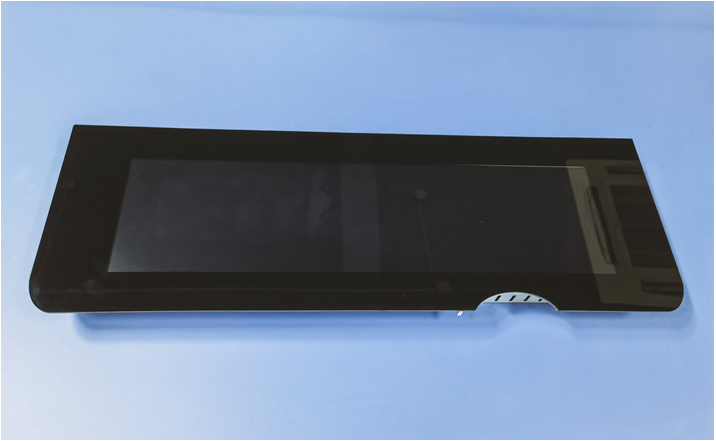


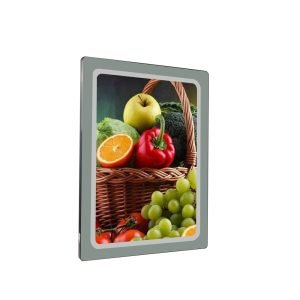
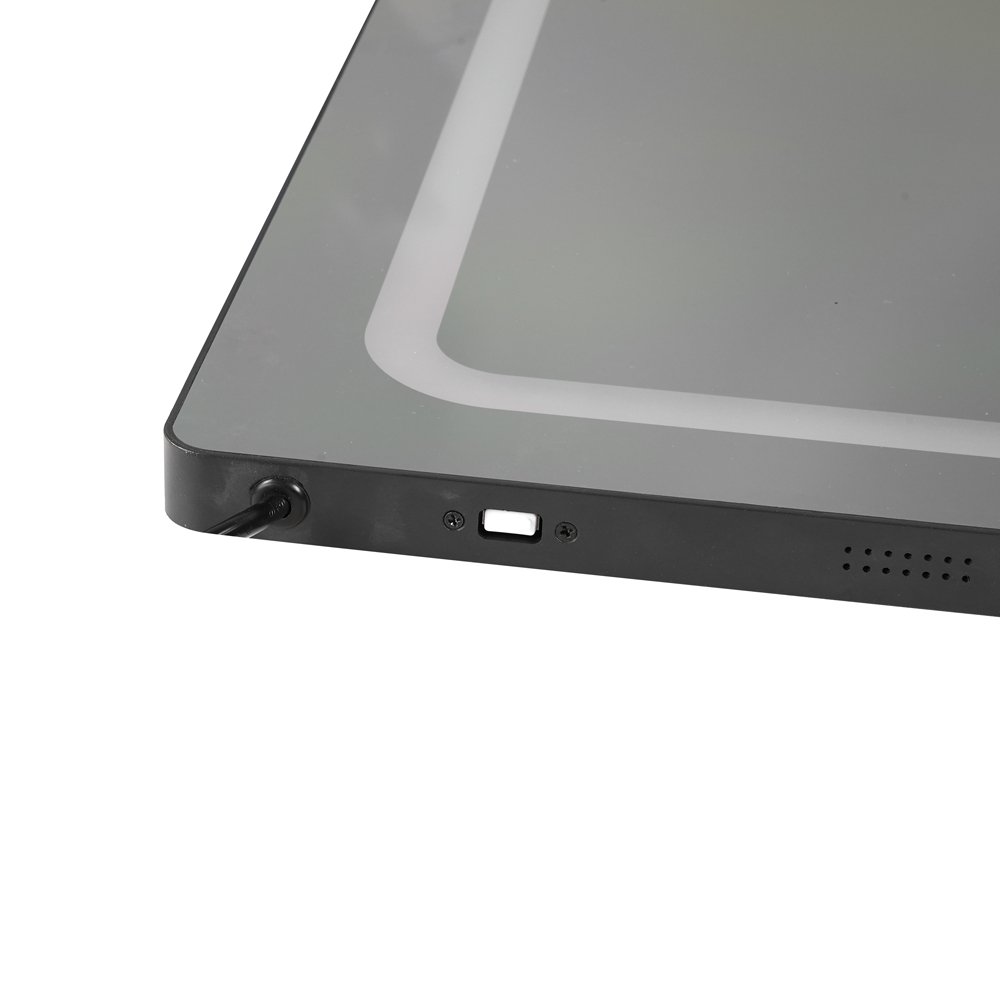

In the modern retail landscape, shopping malls face increasing competition and evolving consumer expectations. One effective way to enhance the shopping experience is through the implementation of digital screens solutions that provide dynamic content, improve navigation, and engage customers effectively. This article explores various digital screen solutions tailored for shopping malls, focusing on their benefits, types, and best practices for implementation.
The Importance of Digital Screens in Shopping Malls
Digital screens serve as a vital communication tool within shopping malls, guiding visitors through complex layouts and providing them with timely information. They facilitate wayfinding, promote sales, and create an interactive environment that can significantly enhance the overall customer experience.
Key Insights:
- Consumer Behavior: Shoppers are more likely to engage with digital displays compared to static signage.
- Technological Integration: The rise of smart technologies allows for real-time updates and personalized content delivery.
Enhanced Benefits of Digital Screen Solutions
Implementing digital screen solutions in shopping malls offers a multitude of advantages that significantly enhance the shopping experience for customers and drive operational efficiency for mall owners. By leveraging advanced display technologies, malls can transform their environments into engaging, informative, and interactive spaces that cater to the needs of modern consumers.
Customer Engagement
Digital screens are powerful tools for capturing attention and fostering customer engagement through vibrant visuals and interactive content.
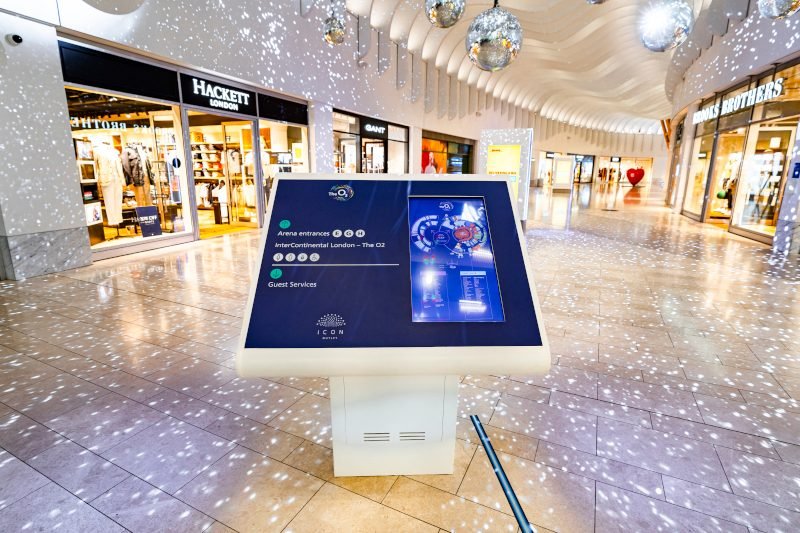
Interactive Features: Touchscreen capabilities empower customers to interact with the content displayed, allowing them to explore products, access information, and even participate in promotional activities. This interactivity enhances the shopping experience by making it more personalized and engaging.
Dynamic Content: The ability to update content in real-time ensures that information remains fresh and relevant. For instance, malls can showcase current promotions, featured products, or upcoming events, enticing shoppers to explore further. Studies have shown that engaging digital displays can increase customer dwell time by up to 30%, leading to higher conversion rates.
Improved Wayfinding
Navigating large shopping malls can be a daunting task for customers. Digital screens provide clear maps and directories that assist shoppers in finding their way efficiently.
Visual Cues: Interactive maps displayed on screens help reduce confusion by offering intuitive navigation options. Shoppers can easily locate stores, amenities like restrooms, and exits without feeling overwhelmed.
Accessibility: Information can be tailored to meet the diverse needs of all shoppers, including those with disabilities. For example, audio prompts or visual aids can guide visually impaired customers through the mall.
Enhanced Advertising Opportunities
Digital screens offer mall owners a robust platform for showcasing targeted advertisements that can significantly increase revenue.
Dynamic Advertising: Ads can be updated in real-time based on foot traffic patterns and special events occurring within the mall. This flexibility allows for timely promotions that resonate with current customer interests.
Targeted Promotions: Advertisements can be customized based on customer demographics and preferences. For example, a digital screen near a children’s store could display promotions tailored to families, while a screen near a tech store could feature the latest gadgets.
Real-Time Information Dissemination
Keeping shoppers informed about promotions, events, and store hours is essential for enhancing their overall experience.
Timely Updates: Digital screens can display current promotions or emergency announcements promptly. For instance, during a sale event, screens can highlight discounts available at specific stores, encouraging shoppers to take advantage of limited-time offers.
Engagement through Content: Incorporating news feeds or entertainment content on screens keeps customers engaged while they shop. This not only enhances their experience but also encourages them to spend more time in the mall.
Supporting Evidence and Statistics
The effectiveness of digital signage in enhancing customer engagement is supported by compelling statistics:
- According to research from AIScreen, 8 out of 10 customers enter a store due to the influence of digital signs.
- Over 40% of shoppers report that relevant information displayed close to the point of sale sways their purchasing decisions.
These statistics underscore the importance of integrating digital signage as part of an effective marketing strategy within shopping malls.
Types of Digital Screen Solutions for Shopping Malls
Shopping malls can leverage a variety of digital screen solutions to significantly enhance customer experiences and operational efficiency. These technologies not only engage shoppers but also streamline information dissemination and advertising efforts. Below, we explore the major types of digital screens available, highlighting their unique features and applications.
Video Walls

Video walls are composed of multiple screens arranged in a grid pattern to create a large, cohesive display area. This solution is particularly effective in high-traffic areas where capturing attention is crucial.
High Resolution: Video walls offer stunning visuals that are ideal for advertising campaigns and promotional displays. With advancements in technology, many video walls now support 4K resolution, ensuring that content is displayed with exceptional clarity and vibrancy.
Versatile Applications: These displays can be utilized for various purposes, including promotional videos, live event broadcasts, or even artistic installations. For instance, a shopping mall might use a video wall to showcase a fashion show or highlight seasonal sales, creating an immersive experience for shoppers.
Digital Signage

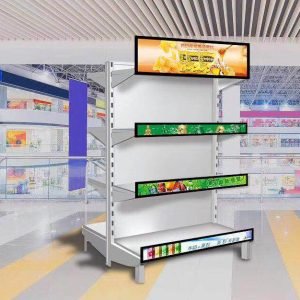
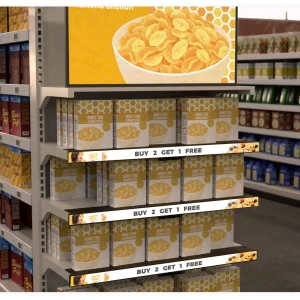
Digital signage represents a flexible solution that effectively communicates promotional content, wayfinding information, and advertisements to shoppers.
Cost-Effective Communication: One of the significant advantages of digital signage is its ability to reduce printing costs associated with traditional signage. Malls can easily update content without the need for physical materials, making it an environmentally friendly option.
Easy Updates: Content on digital signage can be changed remotely and quickly, allowing mall management to respond to real-time events or promotions seamlessly. For example, if a store has a flash sale, the signage can be updated instantly to inform shoppers.
Interactive Kiosks

Interactive kiosks provide an engaging platform for customers to access detailed information about products and services within the mall.
Self-Service Options: These kiosks empower customers to find store locations or product details independently. By offering touch-screen interfaces, shoppers can navigate through directories or search for specific items without needing assistance from staff.
Data Collection: Kiosks can gather valuable user data that informs marketing strategies. Analytics from kiosk interactions help mall owners understand customer preferences and behaviors, enabling targeted promotions that resonate with their audience.
LED Displays

LED displays are particularly well-suited for outdoor advertising due to their brightness and visibility in various lighting conditions.
Durability: Designed to withstand outdoor elements such as rain and sunlight, LED displays maintain high-quality visuals regardless of weather conditions. This durability ensures that advertisements remain effective and eye-catching at all times.
Energy Efficiency: Modern LED technology consumes significantly less power compared to traditional display options. This energy efficiency not only reduces operational costs but also aligns with growing sustainability initiatives among businesses.
Supporting Evidence and Statistics
The effectiveness of these digital screen solutions is underscored by industry statistics:
According to a report by Digital Signage Today, 70% of consumers have reported that they have seen digital signage in retail environments and found it helpful in making purchasing decisions.
Research from Nielsen indicates that digital signage can increase sales by up to 32%, particularly when it displays relevant promotions at the point of sale.
Choosing the Right Digital Screen Solution for Your Mall
Selecting the ideal digital screen solution for your shopping mall is crucial for maximizing customer engagement and optimizing operational efficiency. As malls adapt to the demands of a digital age, careful consideration of several key factors is essential to ensure that the chosen solutions effectively meet both functional and aesthetic needs.
Budget Considerations
The first step in this process involves establishing a clear budget. Determine how much you are willing to invest in digital signage, considering not only the initial purchasing costs but also installation expenses and ongoing maintenance. A well-defined budget will help you evaluate various options available in the market, from high-resolution video walls to interactive kiosks, ensuring you find a solution that aligns with your financial resources while delivering maximum value.
- Initial Costs: Include expenses for hardware, software, and installation.
- Long-Term Expenses: Factor in maintenance, updates, and potential upgrades over time.
Strategic Location
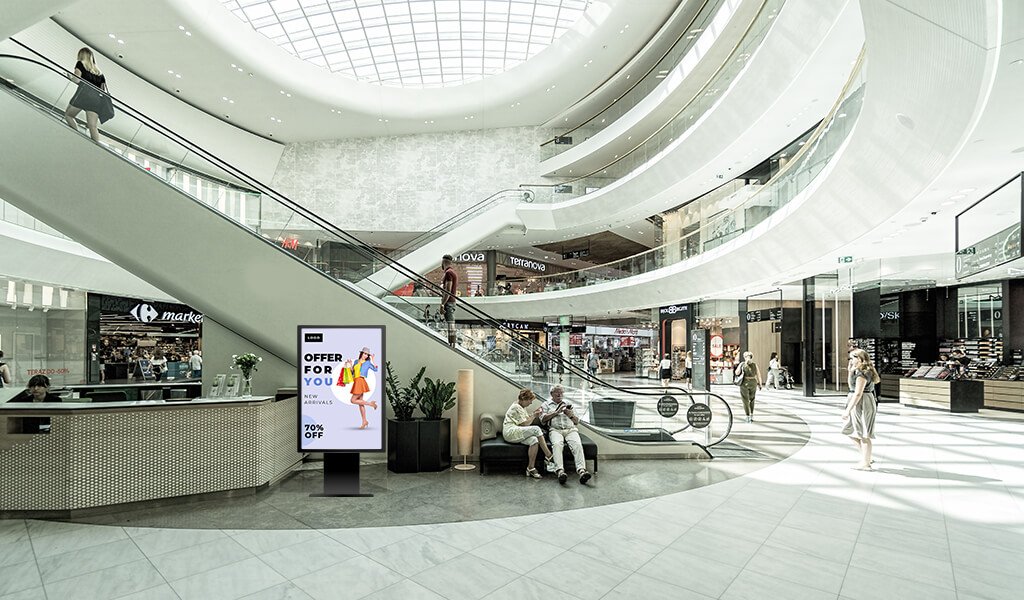
Location plays a pivotal role in the effectiveness of digital screens. Identify high-traffic areas within your mall where screens can achieve maximum visibility. Prime spots include entrances, food courts, and near escalators, where foot traffic is highest. The strategic placement of these screens can significantly enhance viewer engagement and ensure that vital messaging reaches as many shoppers as possible, particularly during peak shopping periods.
- Visibility: Ensure that screens are easily seen from various angles.
- Accessibility: Screens should be placed at a height and angle that is easy for all shoppers to view.
Crafting a Compelling Content Strategy
An effective content strategy is essential for maintaining interest and delivering value to shoppers. Plan what type of content will be displayed and how often it will change to keep it fresh and engaging. Dynamic content that showcases current promotions, events, and wayfinding information encourages shoppers to interact with the displays. Additionally, investing in high-quality graphics and eye-catching animations can significantly boost customer engagement and retention.
- Content Types: Include promotional videos, interactive maps, event announcements, and customer testimonials.
- Update Frequency: Regularly refresh content to reflect seasonal promotions or new store openings.
Maintenance Needs
Finally, consider the maintenance needs of the chosen digital screen solution. To avoid service disruptions, ensure that the technology you implement has manageable maintenance requirements, including ease of repairs and updates. Opting for solutions that come with comprehensive warranties and reliable technical support can save both time and costs in the long run.
- Service Agreements: Look for vendors that offer ongoing support and maintenance packages.
- User-Friendly Interfaces: Choose systems that allow your staff to easily update content without needing extensive training.
Installation and Maintenance Considerations
Proper installation and ongoing maintenance are critical for ensuring the longevity and optimal performance of digital screen solutions in shopping malls. These steps not only enhance the visual experience but also safeguard your investment in technology.
Professional Installation
Engaging experienced technicians for the installation of digital screens is essential. Professional installers possess the expertise to ensure optimal placement and setup, which can significantly impact the effectiveness of the displays.
Optimal Placement: Technicians assess high-traffic areas and strategic locations to maximize visibility and engagement. They consider factors such as lighting conditions, viewing angles, and proximity to potential customers to ensure that screens are positioned for maximum impact.
Setup and Calibration: Proper setup includes calibrating the display settings for brightness, contrast, and color accuracy. This ensures that the content displayed is vibrant and eye-catching, which is crucial for attracting shoppers’ attention.
Regular Maintenance Checks
Once installed, digital screens require regular maintenance checks to address any technical issues promptly. Routine inspections can prevent minor problems from escalating into major failures.
Scheduled Inspections: Establish a maintenance schedule that includes regular inspections by qualified technicians. These inspections should cover all aspects of the display system, including hardware functionality, software updates, and content management systems.
Prompt Issue Resolution: Quick identification and resolution of technical issues can significantly reduce downtime. For example, if a screen malfunctions during peak shopping hours, it can lead to lost advertising opportunities and diminished customer engagement.
Compliance with Technical Specifications
Ensuring compliance with industry standards is vital for maintaining the quality and reliability of digital displays. Adhering to established technical specifications, such as ISO certifications related to electronic displays, guarantees that your solutions meet safety and performance benchmarks.
ISO Certifications: Look for products that comply with relevant ISO standards, which can include specifications for energy efficiency, environmental impact, and overall product safety. This not only enhances the credibility of your installations but also assures customers of their quality.
Manufacturer Guidelines: Follow manufacturer guidelines for installation and maintenance to ensure that warranties remain valid. This includes adhering to recommended operating conditions, such as temperature ranges and humidity levels.
Future Trends in Digital Display Technology
The landscape of digital display technology is continuously evolving, driven by rapid advancements in artificial intelligence (AI) and a growing emphasis on sustainability. As shopping malls and retail environments adapt to these changes, they can leverage innovative technologies to enhance customer experiences and optimize operational efficiencies.

AI Integration in Digital Displays
Artificial intelligence is transforming how digital displays interact with consumers. By analyzing customer behavior and preferences, AI enables more personalized content delivery that engages shoppers effectively.
Personalized Marketing: AI-powered digital displays utilize machine learning algorithms to analyze real-time data from customer interactions. This capability allows for targeted advertising and content tailored to individual preferences. For instance, displays can highlight products based on previous purchases or browsing behavior, ultimately increasing conversion rates. According to a report by McKinsey, businesses that implement personalized marketing strategies can see revenue increases of 10% or more.
Enhanced Interaction: AI can facilitate real-time interaction between customers and digital displays. For example, kiosks equipped with AI technology can recognize returning customers through facial recognition and offer personalized greetings or product recommendations based on prior visits. This level of engagement not only boosts customer satisfaction but also fosters brand loyalty, as shoppers feel valued and understood.
Sustainability Practices in Digital Displays
As environmental concerns become increasingly prominent, the adoption of eco-friendly materials and energy-efficient technologies is essential within the digital display industry.
Eco-Friendly Materials: Digital display manufacturers are prioritizing sustainable materials in their products. This includes sourcing recyclable materials and reducing harmful substances used in manufacturing processes. By opting for such materials, companies can significantly lower their carbon footprints. A study by the World Economic Forum indicates that adopting sustainable practices can reduce production costs by up to 20%, making it financially advantageous as well.
Energy Efficiency: Energy-efficient display technologies, such as LED screens, are rapidly becoming industry standards. These screens require less power to operate, significantly reducing energy costs for mall owners while contributing to sustainability goals. Furthermore, advancements in display technology lead to longer lifespans and lower maintenance costs, providing additional savings. For instance, LED displays consume up to 75% less energy than traditional LCD screens, making them a smart choice for environmentally conscious businesses.
The Importance of Staying Ahead of Trends
Staying ahead of trends is paramount for malls aiming to remain competitive in an ever-evolving retail landscape. Embracing AI and sustainability not only enhances the shopping experience but also improves operational efficiencies that translate into increased profitability.
Competitive Edge: Malls that successfully implement advanced digital display technologies appeal to tech-savvy consumers who prioritize personalized shopping experiences. Moreover, adopting sustainable practices can differentiate a mall in a crowded market, attracting environmentally conscious customers who are willing to support businesses that align with their values.
Long-Term Value: Investments in innovative display solutions can provide long-term value through cost savings in energy bills and increased sales from targeted marketing. According to a report by IBISWorld, businesses integrating sustainable practices can expect revenue growth and improved public perception, further solidifying their market position.
Conclusion
Digital screens serve as a transformative solution for shopping malls looking to enhance customer engagement, improve wayfinding capabilities, boost advertising potential, and provide real-time information dissemination. By carefully considering factors such as budget, location, content relevance, and maintenance needs when selecting a digital screen solution, mall proprietors can significantly elevate the shopping experience while staying ahead of technological advancements.
For more insights into high-performance digital screen solutions tailored specifically for OEMs and industry professionals, connect with LCDSLD today—your trusted partner in custom display technology!
 English
  Arabic
  Spanish