


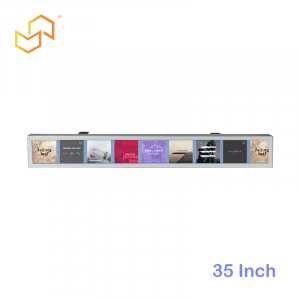


In the fast-paced world of retail, the effectiveness of promotional messaging is paramount. Studies show that the closer a promotional message is to the decision point, the more likely it is to influence consumer behavior. Digital shelf edge displays have emerged as a revolutionary solution, providing retailers with the ability to communicate effectively at the point of sale. By enabling real-time updates for prices and promotions, these displays significantly enhance customer experiences and drive purchase decisions.
This article explores the various types of digital shelf edge displays, their benefits, challenges in implementation, and strategies for successful integration into retail environments. We will also delve into how these technologies can transform retail strategies, making them indispensable tools for modern retailers.
Understanding Digital Shelf Edge Displays
Digital shelf edge displays are electronic screens placed at the edge of retail shelves to provide dynamic product information, promotional content, and pricing updates. These displays can be integrated with existing retail systems to deliver real-time data, ensuring that customers receive accurate information at the moment they are making purchasing decisions.

Key Features
- Real-Time Updates: Instantaneous changes to pricing and promotions.
- Dynamic Content: Ability to display videos, images, and animations.
- Integration Capabilities: Seamless connection with inventory management systems.
Types of Digital Shelf Edge Displays
Digital shelf edge displays are transforming the retail landscape by offering a variety of formats tailored to different applications. These innovative technologies enhance customer engagement at the point of sale, making them essential tools for modern retailers. The three primary types of digital shelf edge displays include e-ink, LCD, and LED displays, each with unique advantages that cater to diverse retail needs.
E-Ink Displays
E-ink displays, also known as electronic ink displays, are low-power screens that replicate the look of ink on paper. They are frequently used for electronic shelf labels (ESLs) due to their excellent contrast and readability in various lighting conditions.
Advantages:
- Cost-Effective: E-ink displays typically require a lower initial investment compared to other display types, making them an attractive option for budget-conscious retailers.
- Long Battery Life: These displays are ideal for applications where power consumption is a concern. E-ink technology consumes energy only when updating the displayed content, allowing for extended battery life.
- Simplicity: E-ink displays excel at presenting straightforward text and graphics, making them suitable for clear pricing and product information.
Recent studies indicate that stores utilizing e-ink displays can reduce operational costs significantly while maintaining accurate pricing information. For example, a 2022 report by RetailX highlighted that retailers employing ESLs experienced a 31.8% increase in customer engagement due to improved visibility and accuracy of product information.
LCD Displays
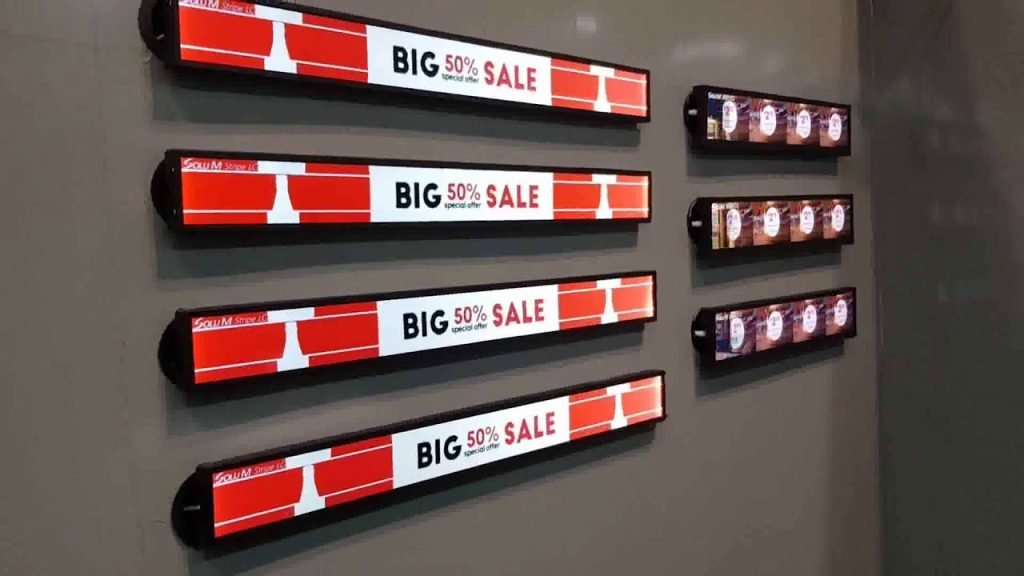
LCD (Liquid Crystal Display) technology is renowned for its versatility, enabling the display of high-quality videos, images, and animations. This makes LCDs particularly effective in environments where rich multimedia content is essential for capturing customer attention.

Advantages:
- Rich Multimedia Content: LCD displays are perfect for advertising and promotions that require engaging visuals. They can showcase vibrant images and videos that attract customers’ eyes.
- High Resolution: These displays provide clear visuals that enhance product presentation and branding efforts. The high resolution ensures that even detailed graphics are displayed crisply.
- Interactive Features: Many LCD displays can be integrated with touch technology, allowing customers to interact directly with the content. This interactivity enhances customer engagement by providing detailed product information and comparisons.
For instance, retailers using LCD displays have reported higher conversion rates as customers are drawn to dynamic content that informs their purchasing decisions.
LED Displays
LED (Light Emitting Diode) displays are characterized by their brightness and vibrant color capabilities, making them ideal for high-impact promotional content in busy retail environments.

Advantages:
- High Visibility: LED displays stand out in crowded spaces, effectively capturing customers’ attention even from a distance. Their brightness ensures they remain visible under various lighting conditions.
- Dynamic Content Display: These displays can show animations and videos, providing a dynamic way to engage customers with promotional messages.
- Durability: Generally more robust than LCDs or e-ink displays, LED technology is designed to withstand the rigors of retail environments while delivering consistent performance over time.
Retailers leveraging LED technology have seen significant increases in foot traffic and sales during promotional events due to the eye-catching nature of these displays.
Benefits of Digital Shelf Edge Displays
The integration of digital shelf edge displays into retail strategies presents a myriad of advantages that significantly enhance both customer engagement and operational efficiency. These displays are not merely aesthetic enhancements; they are powerful tools that can transform the shopping experience and streamline retail operations.

Enhanced Customer Engagement
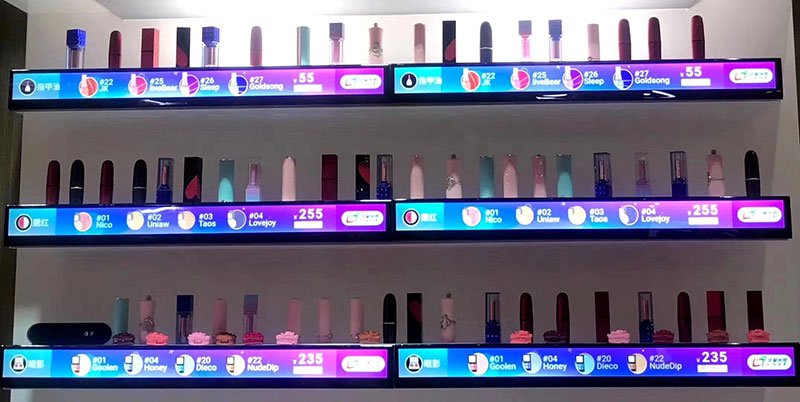
One of the standout benefits of digital shelf edge displays is their ability to foster enhanced customer engagement. Unlike traditional signage, these displays showcase interactive content that captivates consumer interest. According to recent studies, interactive digital content can increase engagement rates dramatically, with displays offering personalized promotions or dynamic pricing attracting significantly higher consumer attention. For instance, a report from RetailX found that stores utilizing interactive displays experienced an average increase of 31.8% in customer engagement. This level of interaction is crucial for drawing customers closer to making purchasing decisions, ultimately improving the overall shopping experience.
Increased Sales Conversion Rates
Sales conversion is a critical metric for any retail operation, and digital shelf edge displays play an essential role in this regard. Research indicates that up to 76% of purchase decisions occur at the shelf edge, underscoring the importance of effective displays in influencing consumer behavior. By providing real-time data on current promotions and product information, these displays can significantly sway buyer decisions. For example, retailers using digital display technology have reported substantial increases in sales conversions due to the immediate access customers have to relevant information at the point of sale.
Operational Efficiency
In addition to boosting customer engagement and sales, digital shelf edge displays contribute to greater operational efficiency. Traditional methods of manually changing prices can be labor-intensive and prone to errors, leading to customer confusion and dissatisfaction. Digital displays facilitate real-time updates, which minimizes labor costs associated with manual interventions. Retailers can implement centralized systems that allow for immediate changes across multiple locations without the need for physical replacements of price tags or labels, thereby streamlining operations and improving overall accuracy.
Key Benefits Summary
To encapsulate the advantages, digital shelf edge displays offer the following key benefits:
- Real-Time Pricing Updates: Instantaneous access to current pricing ensures customers always receive accurate information.
- Dynamic Promotional Content: Engaging ads and promotions can be displayed in real-time, attracting consumers’ attention at critical decision points.
- Improved Inventory Management: Seamless integration with inventory systems means product availability and pricing are always accurate.
- Enhanced Brand Visibility: Vibrant and interactive displays provide better branding opportunities, allowing retailers to reinforce their marketing efforts effectively.
Supporting Evidence
The multifaceted advantages of digital shelf edge displays extend beyond mere operational improvements; they represent a strategic shift in how retailers approach customer interactions and internal efficiencies. For example, a case study involving a major grocery chain revealed that implementing digital shelf edge technology led to a 20% increase in impulse purchases due to enhanced visibility of promotional offers.
Moreover, as consumers increasingly expect seamless and immersive shopping experiences, integrating such technologies becomes essential for retailers aiming to maintain a competitive edge in today’s market. The ability to provide real-time updates not only improves customer satisfaction but also aligns with growing consumer demands for transparency and immediacy in retail environments.
Challenges in Implementation
While digital shelf edge displays offer substantial benefits, retailers may encounter several challenges during the implementation process. Understanding these challenges is crucial for ensuring a smooth transition and maximizing the potential of this technology.

Cost and ROI Considerations
One of the primary challenges retailers face is the initial investment required for digital shelf edge displays. The costs associated with hardware, software, installation, and ongoing content management can be significant. For instance, a comprehensive setup might involve purchasing display units, integrating them with existing systems, and investing in specialized software for content management.
Strategy:
To navigate this financial hurdle, retailers should conduct a thorough cost-benefit analysis. This analysis will help determine whether the long-term savings from increased operational efficiency and enhanced customer engagement outweigh the initial expenditures. According to industry reports, businesses that implement digital shelf edge displays can expect a return on investment (ROI) within 12 to 18 months due to reduced labor costs and improved sales conversion rates.
Maintenance and Upkeep
Regular maintenance is essential to ensure the optimal performance of digital displays. This includes routine software updates, hardware checks, and content refreshes. Neglecting maintenance can lead to technical issues that disrupt service and diminish the effectiveness of the displays.
Strategy:
Developing a proactive maintenance schedule is vital. Retailers may also consider outsourcing maintenance tasks to specialized vendors who can provide expert support and minimize disruptions. For example, partnering with a digital signage provider can ensure that software updates are managed efficiently and that any technical issues are resolved promptly. This approach not only saves time but also allows in-house staff to focus on core business activities.
Integration with Existing Systems
Integrating new display technology with existing retail systems presents another significant challenge. Ensuring seamless operation between digital shelf edge displays and current inventory management or point-of-sale systems is crucial to avoid downtime or data loss. Compatibility issues can arise if the new technology does not align well with existing infrastructure.
Strategy:
To mitigate integration challenges, it is essential for retailers to collaborate closely with IT teams or technology vendors during the planning stages. Conducting compatibility assessments early on can identify potential issues before full implementation. Additionally, retailers should invest in training for staff members who will be responsible for managing these technologies to ensure they are equipped to handle any integration-related challenges.
Additional Challenges
Beyond cost, maintenance, and integration issues, retailers may face other obstacles when implementing digital shelf edge displays:
- Limited Technical Knowledge: Staff may lack the necessary technical expertise to operate new systems effectively. Providing comprehensive training sessions can empower employees to utilize technology fully.
- Stakeholder Engagement: Engaging all relevant stakeholders early in the process is crucial for project success. This includes aligning objectives and success metrics across departments.
- Content Management: Regularly updating content to keep it fresh and relevant is essential for maintaining customer interest. Retailers should consider developing a content calendar to streamline this process.
Best Practices for Successful Integration
To fully leverage the advantages of digital shelf edge displays, retailers must adopt a series of best practices during the implementation process. These practices ensure that the technology is effectively integrated into existing retail environments, maximizing its potential to enhance customer engagement and operational efficiency.
Conduct Thorough Research
Before selecting digital display types, it is essential for retailers to conduct thorough research on market trends and customer preferences. Understanding the specific needs of the target audience can help in choosing the right technology. For instance, retailers should assess whether their customers prefer interactive displays that provide dynamic content or simpler e-ink solutions that offer basic pricing information.
Supporting Insight: According to a study by Retail Technology Review, retailers who invest time in understanding customer behavior can increase their sales conversion rates by up to 20%. This research should also include examining competitors’ use of digital shelf edge displays to identify successful strategies and potential pitfalls.
Develop a Comprehensive Strategy
A well-defined strategy is critical for the successful implementation of digital shelf edge displays. Retailers should outline clear goals for using these displays, whether for promotions, product information dissemination, or enhancing overall customer engagement.
- Goal Setting: Establish specific objectives, such as increasing foot traffic to certain aisles or boosting sales of particular products.
- Content Planning: Develop a content calendar that details what information will be displayed and when, ensuring that content remains fresh and relevant.
Case Study Example: A leading grocery chain implemented a strategic plan that included targeted promotions on high-margin products using digital displays. As a result, they reported a 15% increase in sales for those items within the first quarter of implementation.
Train Staff Effectively
Ensuring that employees are well-trained in operating and maintaining digital displays is vital for maximizing their effectiveness. Staff should understand how to troubleshoot common issues and manage content updates efficiently.
- Comprehensive Training Programs: Retailers should provide training sessions that cover everything from basic operations to advanced troubleshooting techniques.
- Ongoing Support: Establishing a support system where employees can seek help from IT or external vendors will foster confidence in using the technology.
Expert Insight: According to industry experts at Saturn Visual, ongoing training and support are crucial for maintaining high engagement levels with digital displays. Retailers who prioritize staff training see improved operational efficiency and customer satisfaction.
Monitor Performance Metrics
To evaluate the effectiveness of digital shelf edge displays, retailers must monitor performance metrics closely. Utilizing analytics tools enables businesses to track engagement levels and sales conversions linked to display usage.
- Key Performance Indicators (KPIs): Retailers should define KPIs such as engagement rates, conversion rates, and average transaction values associated with display interactions.
- A/B Testing: Implementing A/B testing can help determine which types of content resonate best with customers. For example, testing different promotional messages or display placements can provide valuable insights into consumer behavior.
Statistical Evidence: A report from TrouDigital indicates that retailers who actively monitor metrics related to their digital signage see an average increase of 30% in sales attributed to targeted promotions displayed on digital shelf edge labels.
Future Trends in Digital Shelf Edge Technology
As the retail landscape continues to evolve, several key trends are shaping the future of digital shelf edge displays. These innovations are not only enhancing customer experiences but also driving operational efficiencies and sustainability efforts within the industry.

Increased Use of AI
Artificial intelligence (AI) is poised to revolutionize the way retailers interact with customers through digital shelf edge displays. By analyzing customer behavior in real time, AI can enhance personalization, tailoring product recommendations and promotions to individual shoppers based on their preferences and purchasing history. For instance, a retailer could utilize AI algorithms to display targeted discounts on products that a customer frequently buys or similar items that complement their past purchases.
Supporting Data: According to a report by McKinsey, retailers that leverage AI for personalization can see a sales increase of 10% or more. This capability not only improves customer satisfaction but also fosters brand loyalty, as shoppers feel understood and valued.
Sustainability Initiatives
With growing awareness of environmental issues, sustainability initiatives are becoming increasingly important in retail. Digital shelf edge displays can contribute to these efforts by utilizing eco-friendly materials and reducing waste associated with traditional paper labels. Retailers are now seeking solutions that minimize their carbon footprint while maintaining operational efficiency.
Example: Companies like LCDSLD are leading the charge by developing displays made from recyclable materials and energy-efficient technologies. By adopting such solutions, retailers can align their business practices with consumer expectations for sustainability, which is becoming a critical factor in purchase decisions.
Integration with Augmented Reality (AR)
The integration of augmented reality (AR) into digital shelf edge displays is another trend that promises to enhance the shopping experience. AR technologies allow retailers to overlay digital information onto physical products, creating immersive shopping experiences. For example, customers could use their smartphones or AR glasses to view additional product details, customer reviews, or promotional videos simply by pointing their devices at the shelf display.
Impact on Consumer Behavior: A study from Deloitte found that AR can increase consumer engagement by up to 40%, as it provides an interactive experience that traditional displays cannot match. This level of engagement not only helps in informing purchasing decisions but also enhances the overall shopping experience.
Growing Demand for Flexibility
As market dynamics shift rapidly, retailers are increasingly seeking customizable display solutions that can adapt to changing marketing strategies or store layouts. Digital shelf edge displays must be versatile enough to accommodate various promotional campaigns and product placements without requiring extensive reconfiguration.
Technical Specifications: Modern digital displays often come equipped with cloud-based content management systems (CMS) that allow for easy updates and customization from any location. This flexibility enables retailers to respond quickly to market changes or seasonal promotions, ensuring that they remain competitive.
Conclusion
Digital shelf edge displays represent a significant advancement in retail strategy by enhancing communication at the point of sale. By offering real-time updates on pricing and promotions while engaging customers through dynamic content, these displays can drive sales conversions and improve overall operational efficiency.
As retailers navigate the challenges associated with implementation—such as cost considerations, maintenance needs, and system integration—they can leverage best practices to ensure successful adoption. Embracing future trends will further position retailers at the forefront of innovation in an ever-evolving market landscape.
By incorporating digital shelf edge displays into their retail strategy, businesses not only improve customer experiences but also secure a competitive advantage in today’s dynamic retail environment.



 English
  Arabic
  Spanish