



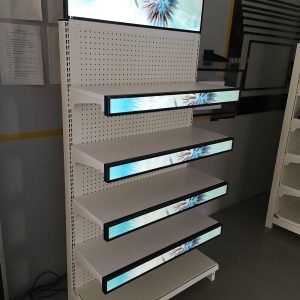

In today’s fast-paced digital world, businesses across industries are turning to innovative technologies to revolutionize how they interact with customers. One such technology that has emerged as a game-changer is the self-service kiosk. By empowering customers to take control of their own experiences, these interactive terminals are transforming customer engagement in profound ways.
What Are Self-Service Kiosks?
At their core, self-service kiosks are automated systems that allow customers to perform a wide range of transactions and access information independently, without the need for direct human assistance. These versatile machines come in various forms, from touchscreen terminals to fully integrated digital displays, and can be tailored to suit the unique needs of any business.
Self-service kiosks have become ubiquitous across sectors such as:
- Retail: Product browsing, self-checkout, returns and exchanges
- Hospitality: Hotel check-in, room key dispensing, concierge services
- Restaurants: Menu browsing, ordering, payment processing
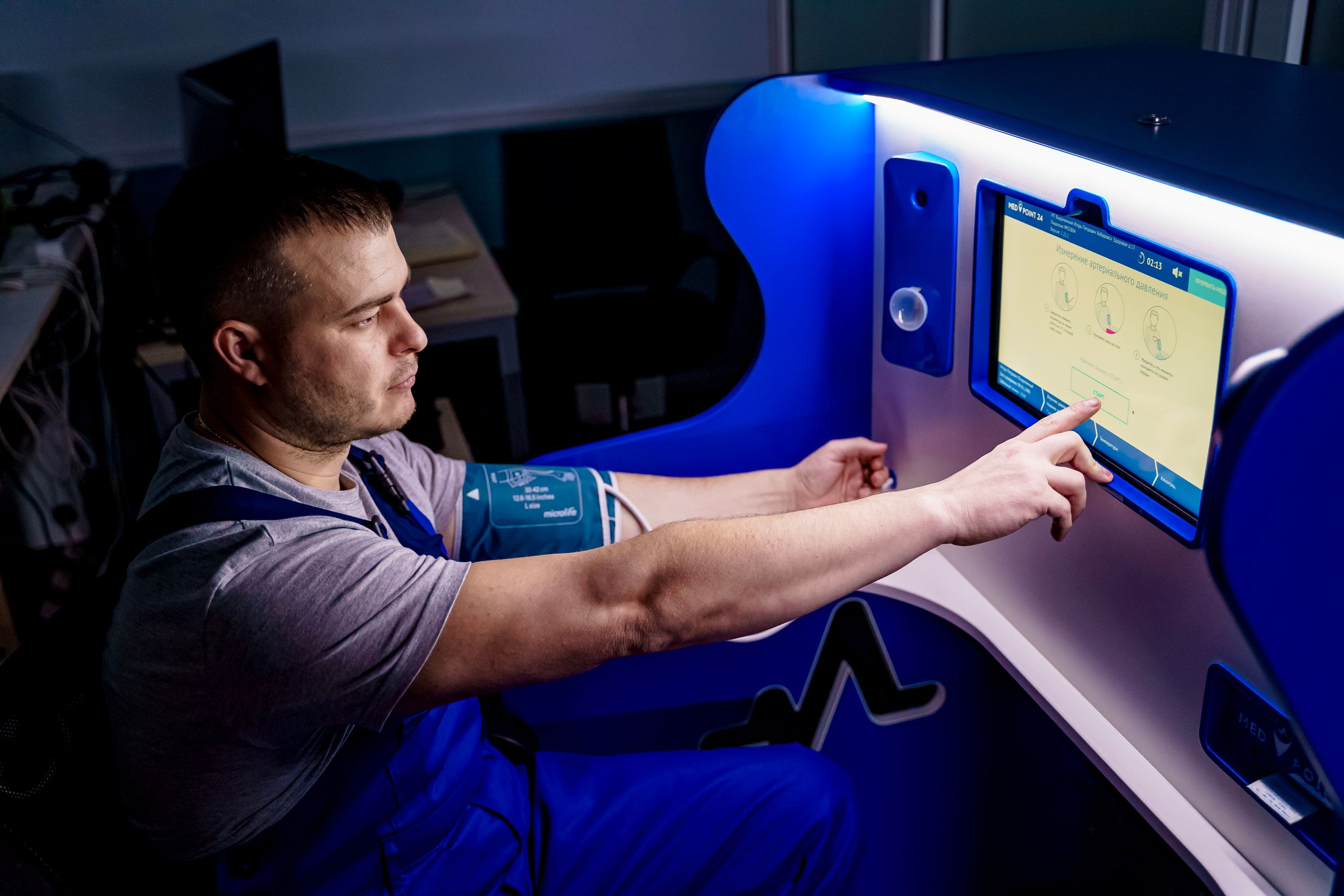
- Healthcare: Patient check-in, appointment scheduling, bill payment
- Transportation: Ticketing, check-in, wayfinding and information
The Customer Benefits of Self-Service
The rise of self-service kiosks has been driven largely by shifting customer expectations. In an age of on-demand convenience, consumers value the ability to get things done quickly and easily on their own terms. Kiosks put the power in the hands of the customer, allowing them to:
- Skip lines and reduce wait times
- Browse and transact at their own pace
- Access information and services 24/7
- Maintain a level of privacy and control
- Enjoy a consistent, user-friendly experience
By catering to these preferences, self-service kiosks have been shown to significantly boost customer satisfaction and loyalty. A study by SOTI found that 66% of shoppers prefer self-service technologies over engaging with store associates.
The Business Case for Kiosks
While enhancing the customer experience is a key benefit, the business advantages of implementing self-service kiosks are equally compelling. By automating routine transactions and processes, kiosks enable companies to:
- Increase operational efficiency and productivity
- Redeploy labor to higher-value tasks
- Expand service capacity without adding staff
- Gather rich customer data and feedback
- Increase sales and revenue opportunities
- Strengthen brand image and competitive edge
Industry leaders like McDonald’s and Panera Bread have demonstrated the tangible ROI of kiosks. McDonald’s has reported that restaurants with self-service kiosks have seen 5-6% higher average check sizes than traditional stores. Meanwhile, Panera’s investment in kiosk and mobile ordering technology has been credited with fueling a 28% increase in sales.
Best Practices for Kiosk Deployment
To maximize the benefits of self-service kiosks, businesses should follow several key best practices:
- Prioritize user experience: Kiosks should be intuitive, accessible, and efficient, requiring minimal customer effort.
- Ensure integration and consistency: Kiosks should integrate seamlessly with other channels and maintain a cohesive brand experience.
- Optimize hardware and software: Reliability, security, and performance are critical to kiosk success.
- Provide in-person support: Kiosks should complement, not completely replace, human service for customers who need additional assistance.
- Continuously gather and act on data: Kiosk interactions provide valuable insights for improving offerings and experiences.
The Future of Kiosks
As businesses look to the future, the role of self-service kiosks will only continue to grow. With advancements in technologies like artificial intelligence, facial recognition, and predictive analytics, kiosks are becoming smarter and more personalized than ever before.
Innovations on the horizon include:
- Virtual assistant integration for guided selling
- Biometric identification for secure transactions
- Sensor-driven displays for real-time promotions
- Predictive maintenance for maximum uptime
By staying at the forefront of these developments, businesses can unlock new levels of customer engagement and competitive advantage.
Embracing the Self-Service Revolution
In a world where customer expectations are constantly evolving, self-service kiosks have emerged as a powerful tool for businesses to enhance experiences, streamline operations, and drive growth. By putting the customer in control and harnessing the power of technology, kiosks are ushering in a new era of engagement that benefits consumers and businesses alike. For organizations across industries, the question is no longer whether to adopt self-service kiosks, but how to maximize their potential in the years ahead.

 English
  Arabic
  Spanish