



In today’s fast-paced, technology-driven world, the way we access and share information is constantly evolving. One of the most significant advancements in recent years has been the rise of information kiosks. These interactive, self-service devices have transformed various industries, from retail and hospitality to healthcare and transportation. In this article, we’ll explore what information kiosks are, their benefits, and why they are becoming an indispensable tool for businesses and consumers alike.
What are Information Kiosks?
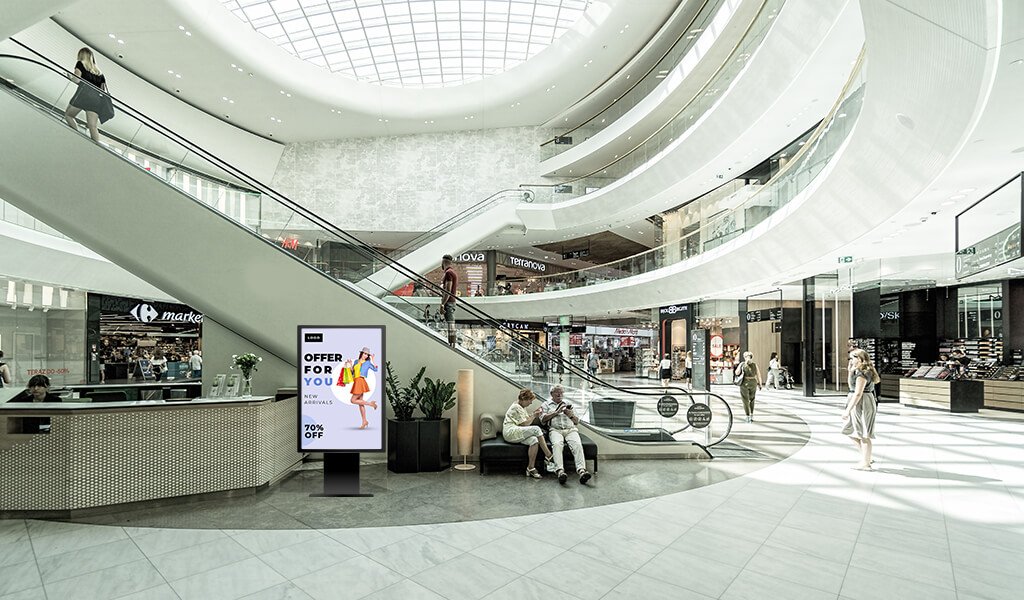
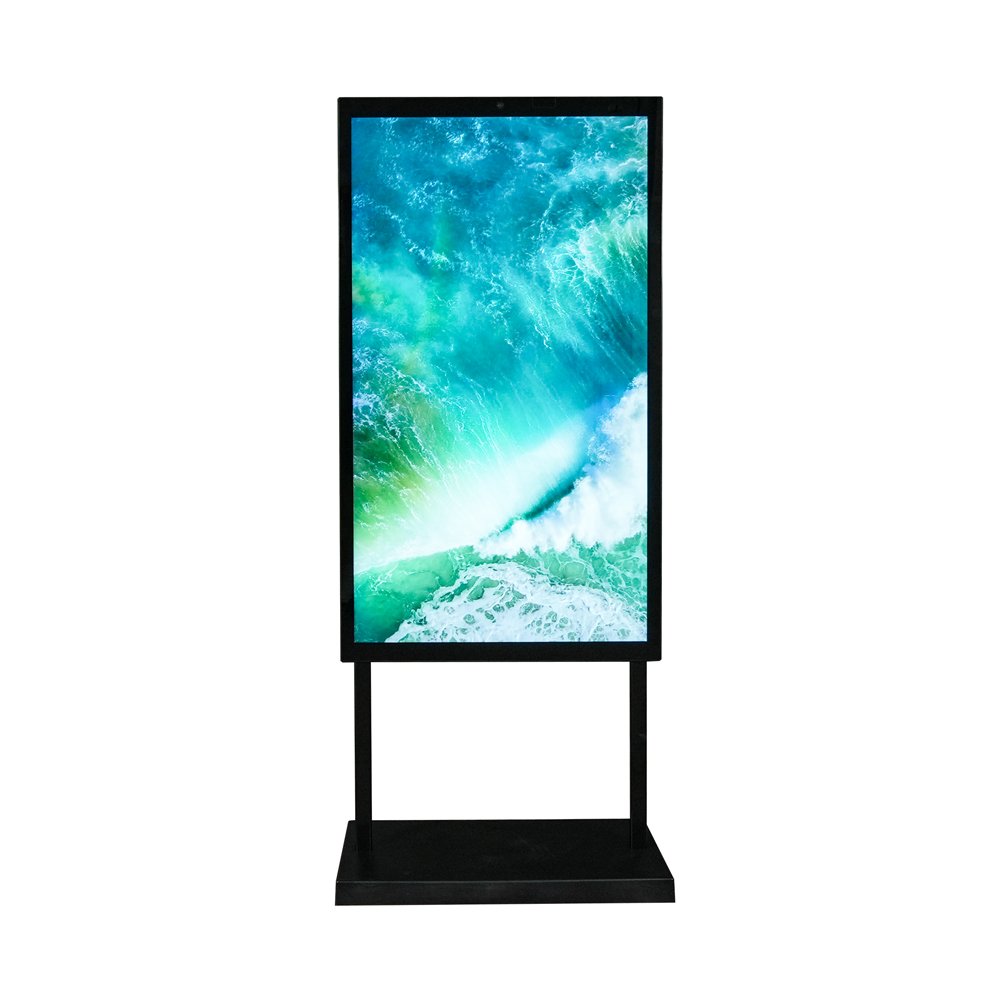
Information kiosks are standalone, digital devices that provide users with a wide range of information and services. They typically feature interactive touch screens and user-friendly interfaces, allowing people to easily navigate through the content and access what they need. These versatile devices come in various forms, such as freestanding units, wall-mounted displays, and tabletop devices, making them adaptable to different environments and purposes.
The primary goal of information kiosks is to empower users to access information or services independently, without the need for human assistance. This self-service aspect is a key driver behind their growing popularity, as it offers numerous benefits for both businesses and consumers.
Types of Information Kiosks
Information kiosks can be tailored to serve a wide range of purposes, depending on the industry and specific needs of the organization. Some common types of information kiosks include:
- Retail Kiosks: These kiosks are used in stores to provide product information, pricing, and even self-checkout options.
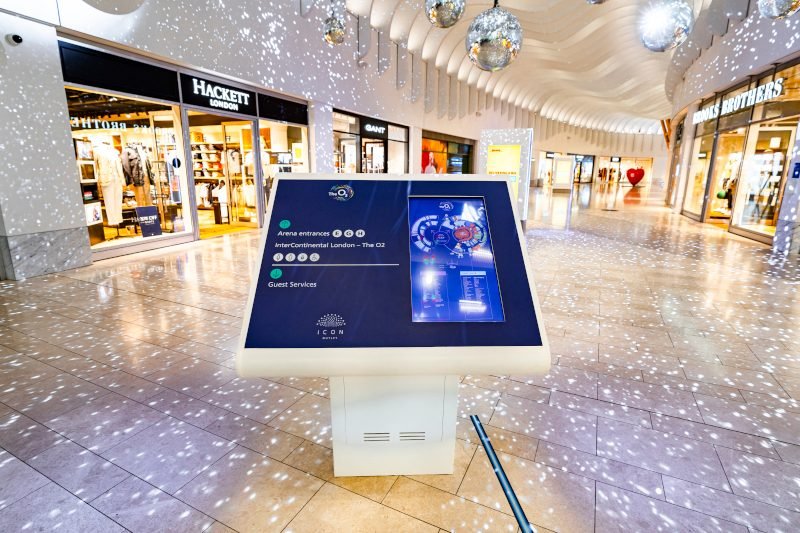
- Wayfinding Kiosks: Found in large facilities like hospitals, airports, and shopping malls, these kiosks help visitors navigate the space and find their desired destination.
- Check-In/Check-Out Kiosks: Hotels and other hospitality businesses use these kiosks to streamline the check-in and check-out process for guests.
- Self-Service Kiosks: These kiosks allow customers to place orders, make payments, or access services without the need for human interaction, commonly found in restaurants and banks.
Benefits of Information Kiosks
The growing adoption of information kiosks can be attributed to the numerous benefits they offer for both businesses and consumers. Let’s explore some of the key advantages:
Cost Efficiency
One of the primary benefits of information kiosks is their ability to reduce labor costs for businesses. By automating routine tasks and providing self-service options, kiosks can handle a significant portion of customer interactions, reducing the need for human staff. This allows businesses to allocate their resources more efficiently and focus on other critical aspects of their operations.
Convenience and Accessibility
For consumers, information kiosks offer unparalleled convenience and accessibility. With self-service options available 24/7, customers can access information or services whenever they need, without having to wait for assistance. This is particularly beneficial in settings like airports or hospitals, where services are required around the clock.
Kiosks also provide a consistent and user-friendly experience, with intuitive interfaces that cater to users of all ages and technical abilities. This ease of use encourages more people to engage with the kiosks, leading to increased adoption and satisfaction.
Increased Accuracy and Efficiency
Another significant advantage of information kiosks is their ability to improve accuracy and efficiency. By automating tasks such as price checking or ticket issuance, kiosks eliminate the potential for human error. This leads to more accurate transactions and a smoother experience for customers.
Moreover, kiosks can process transactions and provide information much faster than human staff, reducing wait times and improving overall efficiency. This is especially crucial in high-volume environments like retail stores or busy transportation hubs.
Enhanced Customer Experience
Information kiosks have the potential to greatly enhance the customer experience. By providing self-service options and reducing wait times, kiosks give customers more control over their interactions and allow them to engage with businesses on their own terms. This level of autonomy and convenience can lead to increased customer satisfaction and loyalty.
Kiosks can also offer personalized experiences by leveraging data and technology. For example, a retail kiosk may suggest complementary products based on a customer’s purchase history, or a restaurant kiosk may remember a customer’s dietary preferences. These tailored interactions create a more engaging and memorable experience for customers.
Industry Applications
Information kiosks have found their way into various industries, each leveraging the technology to suit their specific needs and goals. Let’s take a closer look at how kiosks are revolutionizing two major sectors: retail and hospitality.
Retail
In the retail industry, information kiosks have become a game-changer. They serve multiple purposes, from providing detailed product information and pricing to enabling self-checkout. By empowering customers to serve themselves, retailers can enhance the shopping experience while simultaneously improving operational efficiency.
Retail kiosks also offer unique opportunities for upselling and cross-selling. By suggesting related products or promotions, kiosks can increase the average transaction value and drive additional sales. Furthermore, kiosks can collect valuable data on customer preferences and behaviors, allowing retailers to refine their offerings and marketing strategies.
Real-world examples of successful retail kiosk implementation include:
- Walmart’s Self-Checkout Kiosks: Walmart has introduced self-checkout kiosks in many of its stores, allowing customers to scan and pay for their items without the need for a cashier. This has reduced wait times and improved the overall shopping experience.
- Sephora’s Beauty Kiosks: Sephora has installed interactive beauty kiosks in its stores, which provide product information, reviews, and personalized recommendations. These kiosks have helped customers make more informed purchasing decisions and have driven sales for the beauty retailer.
Hospitality
The hospitality industry has also embraced information kiosks, particularly in hotels and restaurants. In hotels, kiosks are used for self-check-in and check-out, reducing the need for front desk staff and streamlining the process for guests. This not only improves operational efficiency but also enhances the guest experience by minimizing wait times and providing a seamless check-in and check-out process.
In restaurants, particularly quick-service restaurants (QSRs), kiosks are used for self-ordering. Customers can place their orders and make payments directly through the kiosk, without the need for a server. This leads to increased order accuracy, faster service, and higher customer satisfaction. It also allows restaurant staff to focus on food preparation and delivery, improving overall efficiency.
Examples of successful kiosk implementation in the hospitality industry include:
- Marriott’s Self-Check-In Kiosks: Marriott International has introduced self-check-in kiosks at many of its properties, allowing guests to bypass the front desk and access their rooms quickly. This has greatly improved the check-in experience for guests and has helped Marriott streamline its operations.
- McDonald’s Self-Ordering Kiosks: McDonald’s has rolled out self-ordering kiosks in many of its restaurants worldwide. These kiosks allow customers to browse the menu, customize their orders, and make payments, reducing wait times and increasing order accuracy. The kiosks have been well-received by customers and have contributed to increased sales for the fast-food giant.
The Future of Information Kiosks
As technology continues to advance, the future of information kiosks looks incredibly promising. With the integration of artificial intelligence (AI), machine learning, and other cutting-edge technologies, kiosks are poised to become even more sophisticated and user-friendly.
One of the most exciting developments in the world of information kiosks is the incorporation of AI-powered personalization. Future kiosks may be able to recognize returning customers and offer tailored recommendations based on their preferences and past interactions. This level of personalization will create an even more engaging and efficient experience for users.
Another trend to watch out for is the increasing integration of kiosks with mobile devices. As smartphones become more ubiquitous, kiosks may start to offer seamless connectivity with users’ personal devices. This could enable features like mobile payments, personalized content syncing, and remote kiosk interaction, further enhancing the convenience and flexibility of these devices.
The global interactive kiosk market is expected to grow significantly in the coming years, driven by the increasing demand for self-service solutions across various industries. According to a report by Grand View Research, the global interactive kiosk market size is expected to reach USD 45.3 billion by 2027, growing at a CAGR of 7.5% from 2020 to 2027. This growth is a testament to the value and potential of information kiosks in shaping the future of customer engagement and service delivery.
Conclusion
Information kiosks have emerged as a powerful tool for businesses looking to streamline operations, reduce costs, and enhance the customer experience. By providing self-service options and on-demand access to information, kiosks have revolutionized the way industries interact with their customers.
As we’ve seen, information kiosks offer a wide range of benefits, from cost efficiency and convenience to increased accuracy and personalization. Their versatility has allowed them to be adapted to various industries, with retail and hospitality being two prime examples of sectors that have successfully leveraged this technology.
Looking ahead, the future of information kiosks is filled with exciting possibilities. With the integration of advanced technologies like AI and mobile connectivity, kiosks are set to become even more intelligent, personalized, and user-friendly. As businesses continue to recognize the value of self-service solutions, the adoption of information kiosks is expected to grow rapidly in the coming years.
In conclusion, information kiosks are not just a passing trend, but a fundamental shift in how businesses and consumers interact. As we move towards a more digital and self-service-oriented world, information kiosks will undoubtedly play a crucial role in shaping the future of information dissemination and customer engagement. Embracing this technology is no longer a choice, but a necessity for businesses looking to stay competitive and relevant in the ever-evolving landscape of customer service and experience.

 English
  Arabic
  Spanish