




In the era of rapid technological advancement, the way we generate, distribute and access electricity is undergoing a profound transformation. One of the most innovative and impactful solutions to emerge in recent years is the concept of solar-powered electricity kiosks. These self-contained, decentralized power stations are revolutionizing energy access, particularly in off-grid, rural and underprivileged communities around the world. By harnessing the abundant power of the sun, electricity kiosks are providing clean, affordable and reliable electricity to millions of people, empowering individuals, creating jobs, and driving socio-economic development.
What are Solar-Powered Electricity Kiosks?
Solar-powered electricity kiosks are small-scale, standalone power generation and distribution units. They typically consist of photovoltaic solar panels, batteries for energy storage, charge controllers, inverters, and power outlets or charging stations. These components work together to convert sunlight into electrical energy, store it, and make it available for use by consumers.
The kiosks are designed as self-contained, turnkey systems that can be easily deployed in areas lacking connection to the main power grid. They provide a range of energy services including phone charging, powering lights and small appliances, running computers and internet access points. More advanced kiosks may also offer services like refrigeration, water purification, or even electric vehicle charging.
A key advantage of solar kiosks is their modular and scalable design. They can be sized to meet the specific energy needs of a household, a small business, a school, a health clinic, or an entire village. Multiple kiosks can also be interconnected to form local micro-grids, enhancing resilience and load-balancing. This flexibility makes solar kiosks an ideal solution for energy access in diverse off-grid environments.
Transforming Lives in Off-Grid Communities
The impact of solar-powered electricity kiosks in off-grid communities cannot be overstated. For the 789 million people worldwide who lack access to electricity, these kiosks are a game-changer. They provide a reliable, affordable and sustainable source of power that can transform lives and livelihoods in profound ways.
Access to electricity from solar kiosks enables children to study at night, improving educational outcomes. It allows clinics to store vaccines and operate medical equipment, enhancing healthcare. Farmers can power irrigation pumps and cold storage, increasing crop yields and reducing post-harvest losses. Entrepreneurs can run power tools and process agricultural products, creating value-added goods. Connectivity through mobile phone charging and internet access connects off-grid communities to markets, financial services, and knowledge.
In essence, solar electricity kiosks are empowering off-grid communities to leapfrog traditional development pathways and build sustainable, inclusive economies powered by clean energy. Case studies from around the world demonstrate the transformative potential of this approach.
Spotlight on Rwanda: Solar Kiosks Driving Development
In East Africa, Rwanda is emerging as a leader in off-grid solar energy access. The country has set an ambitious target to achieve universal electrification by 2024, with off-grid solar systems playing a key role. Solar-powered electricity kiosks are at the forefront of this effort.
One pioneering initiative is ARED (African Renewable Energy Distributor), a social enterprise that operates a network of solar-powered kiosks across Rwanda. These “Smart Solar Kiosks” provide phone charging, airtime top-up, and Wi-Fi connectivity, as well as access to digital services like mobile money and e-government. ARED’s kiosks are run by local micro-entrepreneurs, creating jobs and income opportunities in rural communities.
To date, ARED has deployed over 250 kiosks across Rwanda, providing energy access to over 500,000 people. The company estimates that each kiosk enables up to 30 new businesses to start up, creating a ripple effect of economic activity. ARED’s model has been so successful that it is now expanding to other countries in the region, including Uganda and Kenya.
Another impactful project in Rwanda is the Solar Kiosk Program implemented by the Ministry of Infrastructure in partnership with the World Bank. This initiative has deployed over 1,000 solar kiosks in rural areas, providing energy access to over 1 million people. The kiosks are operated by local cooperatives, with revenues used to maintain the systems and fund community development projects.
The Solar Kiosk Program has had a transformative impact on rural communities in Rwanda. A World Bank study found that the kiosks have increased study time for children by an average of 1.5 hours per day, improved health outcomes by enabling night-time medical care, and boosted incomes by 20-30% for kiosk operators and businesses using the electricity.
These examples from Rwanda demonstrate the power of solar electricity kiosks to drive sustainable development and improve lives in off-grid communities. By providing clean, reliable and affordable energy access, these kiosks are catalyzing a solar revolution from the bottom up.
The Business Case for Solar Electricity Kiosks
Solar electricity kiosks are not just a tool for development, but also a viable business opportunity. As the cost of solar photovoltaics and batteries continues to decline, the economics of off-grid solar are becoming increasingly attractive. This is creating a growing market for solar kiosk solutions, with a range of business models emerging.
One common model is the micro-franchise, where a central company provides the technology, training and support, while local entrepreneurs operate the kiosks. This approach, used by companies like ARED in Rwanda and Solarkiosk in several African countries, leverages the strengths of both parties. The franchisor brings the technical expertise, quality control and economies of scale, while the franchisee provides the local knowledge, community relationships and entrepreneurial drive.
Another model is the community-owned and operated solar kiosk, as seen in the Rwandan Solar Kiosk Program. Here, the kiosks are owned and managed by local cooperatives, with revenues reinvested into community development. This approach prioritizes local ownership and empowerment, though it may require more capacity building and support to be sustainable.
A third model is the utility-operated solar kiosk, where a national or regional utility deploys and manages a network of kiosks as part of its off-grid strategy. This approach, being pioneered by utilities like Kenya Power and TANESCO in Tanzania, leverages the utility’s existing infrastructure, customer base and technical capacity. It also allows for integration with mobile payment systems and potential cross-subsidization from on-grid customers.
Regardless of the specific model, the key to the success of solar electricity kiosks is a focus on creating value for all stakeholders. For customers, the kiosks must provide reliable, affordable and quality energy services that meet their needs. For operators, the kiosks must generate sufficient revenue to be profitable and sustainable. And for society as a whole, the kiosks should contribute to development goals like energy access, job creation, and climate action.
As the market for off-grid solar solutions continues to grow, there is significant potential for solar electricity kiosks to scale up and reach millions more people. Governments, development partners, and investors all have a role to play in creating an enabling environment and mobilizing the necessary resources. With the right policies, partnerships and business models, solar kiosks could be a key part of achieving universal energy access by 2030.
Innovating for the Future
Looking ahead, the future of solar-powered electricity kiosks is bright. As technology continues to advance and costs continue to fall, we can expect to see even more innovative and impactful kiosk solutions emerge.
One exciting area of innovation is the integration of solar kiosks with other technologies and services. For example, some kiosks are now incorporating water purification systems, providing clean drinking water alongside electricity. Others are adding agricultural processing equipment, enabling farmers to add value to their crops. Still others are integrating with electric vehicles, providing charging services for e-motorcycles and e-rickshaws.
Another frontier is the development of smart, connected kiosks that can optimize performance, monitor usage, and enable remote management. By leveraging sensors, data analytics, and mobile connectivity, these smart kiosks can improve efficiency, reduce downtime, and enhance the user experience. They can also enable new business models, such as pay-as-you-go financing or dynamic pricing based on demand.
A third area of innovation is the integration of solar kiosks into larger energy systems. As off-grid solar solutions scale up, there is growing interest in how they can be integrated with the main grid, creating hybrid systems that combine the best of both worlds. Solar kiosks could play a key role in this transition, serving as building blocks for local micro-grids that can eventually interconnect with the national grid.
Ultimately, the goal is to create a resilient, sustainable and inclusive energy system that leaves no one behind. Solar-powered electricity kiosks are a vital part of this vision, providing a decentralized, bottom-up approach to energy access that empowers communities and drives development. As the solar revolution gathers pace, these humble kiosks are lighting the way to a brighter future.
Conclusion
In conclusion, solar-powered electricity kiosks are a game-changing innovation that is transforming energy access in off-grid communities around the world. By providing clean, affordable and reliable electricity, these kiosks are empowering individuals, creating jobs, and driving socio-economic development. From Rwanda to India to Haiti, the impact of solar kiosks is being felt in countless lives and livelihoods.
But the potential of solar kiosks goes beyond just providing energy access. These decentralized solutions are also contributing to the fight against climate change, reducing reliance on fossil fuels and enabling a transition to a low-carbon future. They are demonstrating the power of bottom-up, community-driven innovation to solve global challenges. And they are paving the way for a new era of energy democracy, where people have control over their own energy destinies.
As we look to the future, the role of solar-powered electricity kiosks will only grow in importance. With continued innovation, investment and collaboration, these kiosks could help to achieve universal energy access by 2030, while also creating millions of jobs and catalyzing sustainable development. The solar revolution is here, and electricity kiosks are leading the charge.
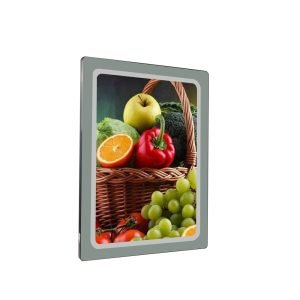
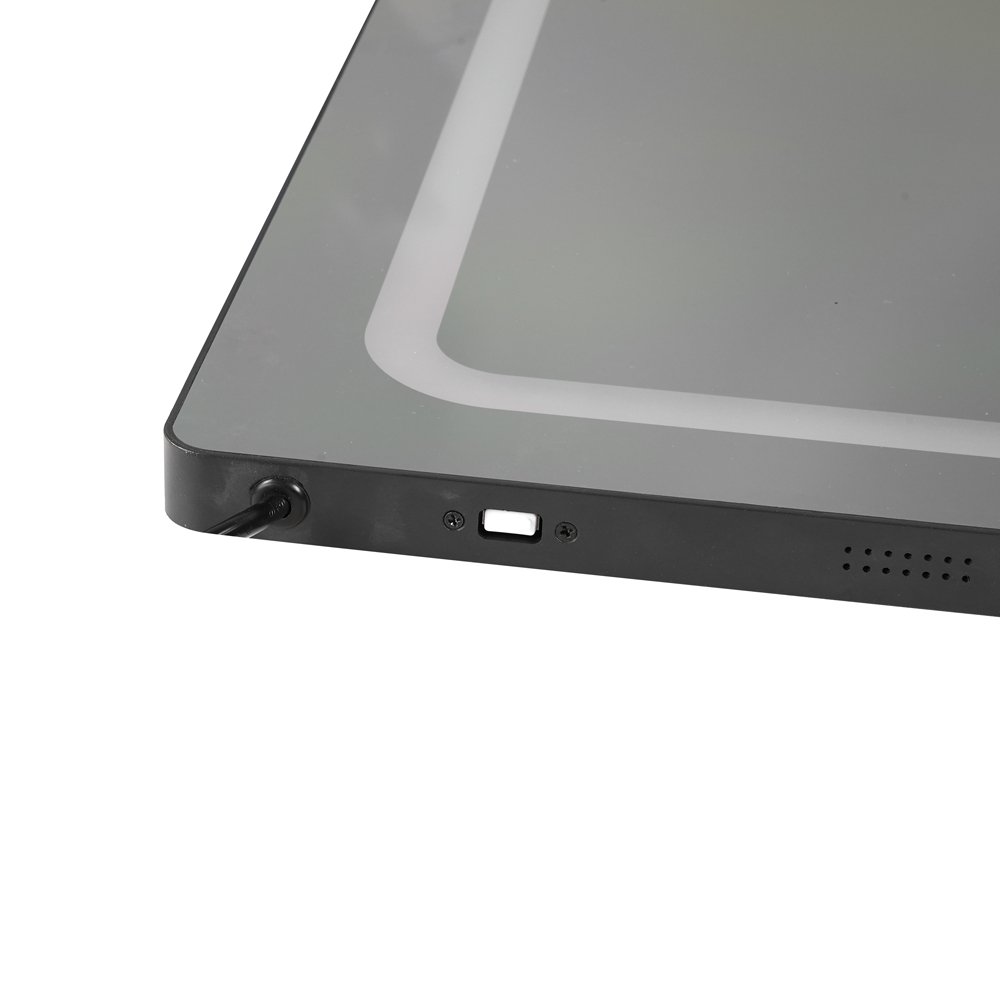
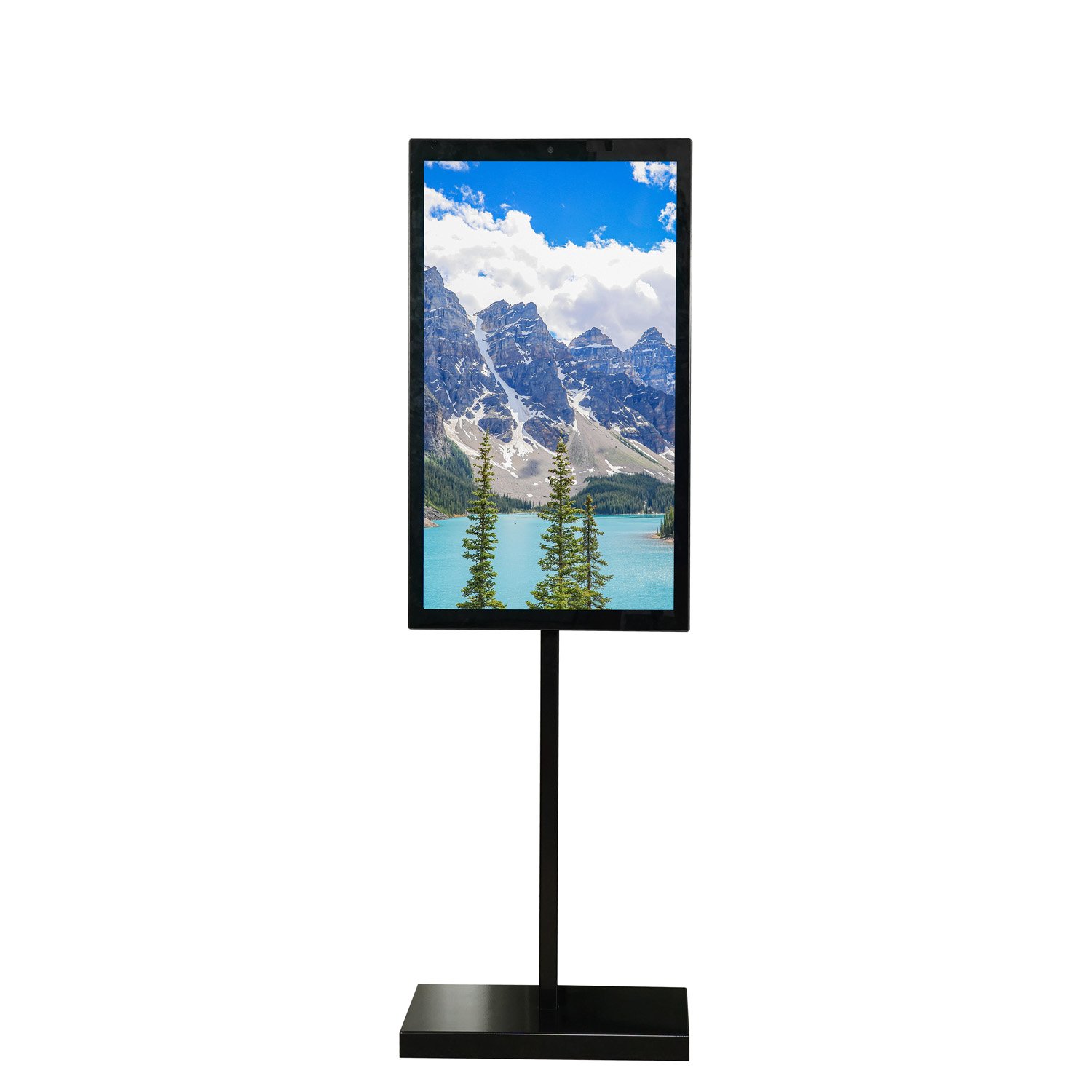
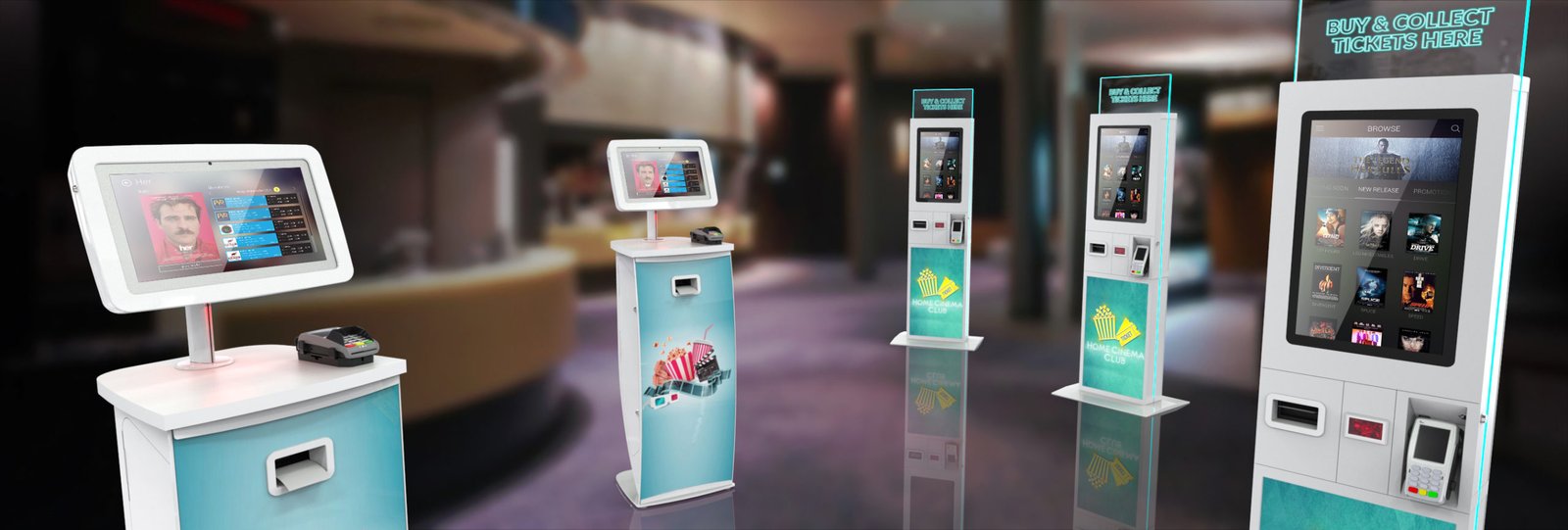
At LCDSLD, we offer a range of innovative kiosk solutions that can be customized for various applications, including solar-powered electricity kiosks. Our products like the 43 inch commercial curved touchscreen monitor and Android mini PCs are ideal for integrating into smart, connected kiosks. We also provide touchscreen monitors in various sizes that enable intuitive user interaction. Contact us to learn more about how our solutions can power your solar kiosk project and contribute to the global energy access revolution.


 English
  Arabic
  Spanish