
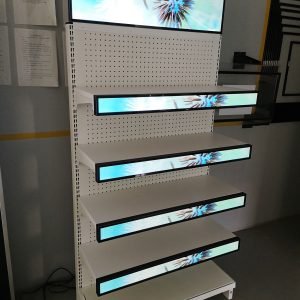

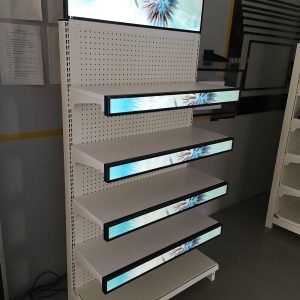


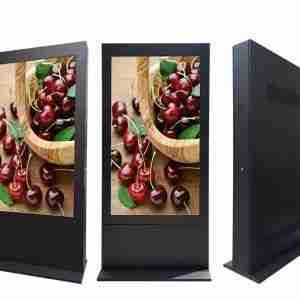


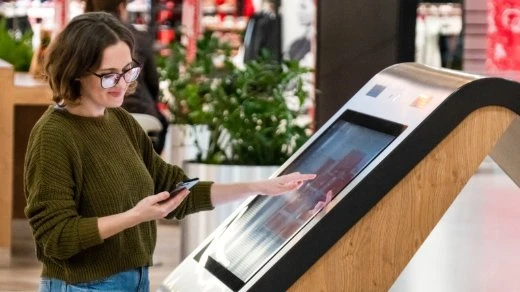
Imagine walking into a bustling retail store and being greeted by a sleek, interactive touchscreen kiosk that guides you effortlessly to your desired products. This isn’t just a futuristic concept – it’s a reality that forward-thinking businesses are embracing today. Custom kiosks are revolutionizing customer experiences and operational efficiency across industries, from retail to healthcare and beyond. But how can you harness this technology to give your business a competitive edge?
This comprehensive guide unlocks the secrets of custom kiosk design and manufacturing, empowering you to create tailored solutions that perfectly align with your unique business needs. We’ll walk you through every step of the process, from conceptualization to implementation, ensuring you have the knowledge to transform your customer interactions and streamline operations with cutting-edge kiosk technology.
Understanding the Importance of Custom Kiosks
Custom kiosks are versatile tools that can be used across various industries, from retail and hospitality to healthcare and transportation. They provide a range of functionalities, including self-service check-ins, interactive product displays, and information dissemination. By investing in custom kiosks, businesses can improve customer engagement, reduce operational costs, and enhance overall efficiency.
Conceptualization and Prototyping
The design phase is the cornerstone of creating a kiosk that not only meets functional requirements but also delivers an exceptional user experience. At LCDSLD, our comprehensive design process begins with a deep understanding of your business objectives, target audience, and desired use cases. This holistic approach ensures that every aspect of the kiosk design aligns with your goals and user needs.
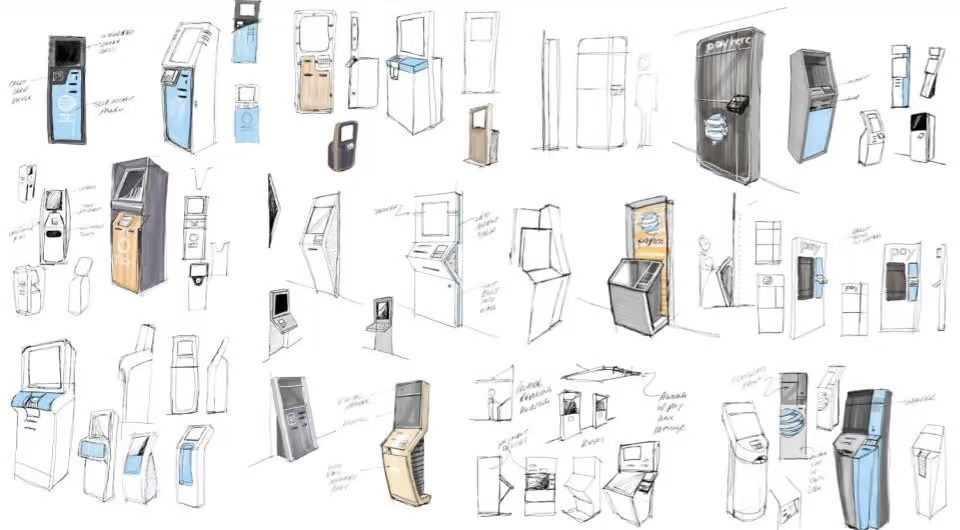
Requirements Gathering
Our team of experienced designers and engineers collaborates closely with you to define the kiosk’s purpose, desired features, and integration requirements. This crucial step involves:
- Conducting in-depth stakeholder interviews
- Analyzing competitor kiosks and industry trends
- Identifying key performance indicators (KPIs) for success
- Documenting technical specifications and constraints
- Prioritizing features based on user needs and business impact
By thoroughly exploring these aspects, we create a solid foundation for the kiosk design that addresses both immediate needs and future scalability.
User Experience (UX) Design
We prioritize intuitive navigation, accessibility, and a visually appealing interface tailored to your brand. Our UX design process includes:
- Creating user personas and journey maps
- Developing information architecture and user flows
- Designing wireframes and interactive mockups
- Conducting usability testing with target users
- Iterating based on user feedback and analytics
This user-centric approach ensures that your kiosk is not only functional but also delightful to use, encouraging repeat interactions and positive brand associations.
Rapid Prototyping
Using cutting-edge tools and methodologies, we develop both low-fidelity and high-fidelity prototypes for iterative testing and refinement. Our prototyping process involves:
- Building quick paper or digital sketches for initial concept validation
- Creating interactive prototypes using tools like Adobe XD or Figma
- Developing functional prototypes with basic hardware integration
- Conducting A/B testing to optimize user interfaces
- Gathering real-world user feedback through pilot deployments
This iterative approach allows us to quickly identify and address potential issues, refine the design, and ensure that the final kiosk product meets or exceeds expectations.
Design Validation and Refinement
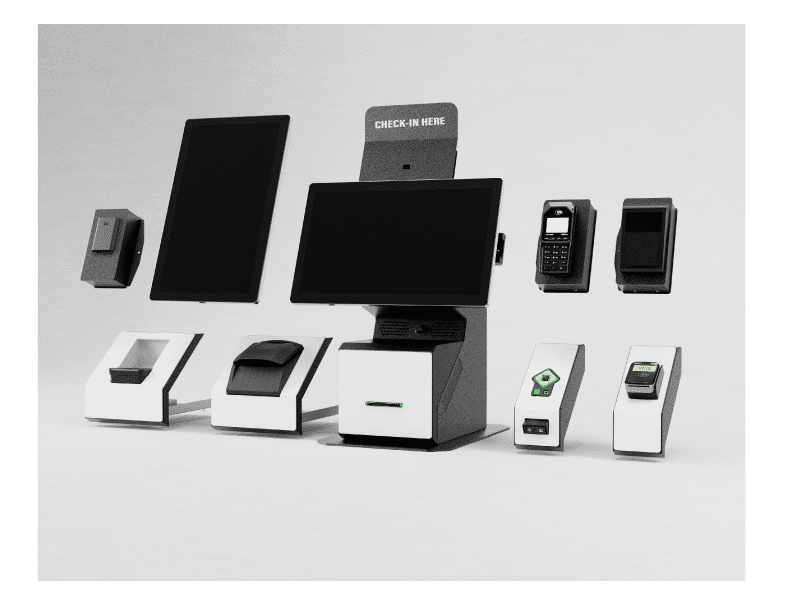
Before moving to production, we conduct thorough design validation to ensure that the kiosk meets all requirements and delivers optimal performance. This includes:
- Reviewing the design against accessibility guidelines (e.g., ADA compliance)
- Conducting stress tests to evaluate performance under various conditions
- Assessing the kiosk’s durability and maintenance requirements
- Finalizing material selections and manufacturing processes
- Preparing detailed documentation for production and quality control
By rigorously validating the design, we minimize the risk of costly changes during production and ensure a smooth transition from concept to reality.
Hardware and Software Integration
Seamless hardware and software integration is the cornerstone of a successful kiosk deployment. At LCDSLD, we offer comprehensive solutions that combine cutting-edge hardware components with robust software development to create powerful, user-friendly kiosks tailored to your specific needs.
Display Selection
The visual interface is often the first point of interaction for users, making display selection crucial. We offer a wide range of options to suit various environments and use cases:
- Touchscreens: From capacitive to infrared, we provide responsive touch displays for intuitive user interactions.
- High-Resolution LCDs: Crystal-clear displays ensure optimal visibility of content and graphics.
- Ruggedized Outdoor Displays: Weather-resistant and anti-glare screens for kiosks exposed to the elements.
- Large Format Displays: Ideal for digital signage and information kiosks in high-traffic areas.
Our experts will help you choose the perfect display based on factors such as viewing distance, ambient lighting, and touch requirements.
Computing Power
The heart of any kiosk system lies in its computing capabilities. We tailor the hardware selection to match your application’s demands:
- Single-Board Computers: Compact, energy-efficient solutions for basic kiosk functions.
- Industrial PCs: Robust, high-performance computers for demanding applications.
- Edge Computing Devices: For AI-powered kiosks requiring real-time data processing.
- Fanless Systems: Silent operation for noise-sensitive environments.
Our team analyzes your software requirements, expected user load, and future scalability needs to recommend the optimal computing solution.
Software Development
Custom software is what brings your kiosk to life. Our skilled developers create tailored solutions that ensure seamless functionality:
- Custom UI/UX Design: Intuitive interfaces that align with your brand and user expectations.
- Backend Integration: Seamless connection with existing CRM, inventory, or payment systems.
- Analytics and Reporting: Built-in tools to track usage patterns and gather valuable insights.
- Remote Management: Software for monitoring and updating kiosks across multiple locations.
- Security Protocols: Robust measures to protect user data and prevent unauthorized access.
Whether you need a completely custom solution or integration with existing systems, our software development team has the expertise to deliver.
Peripheral Integration
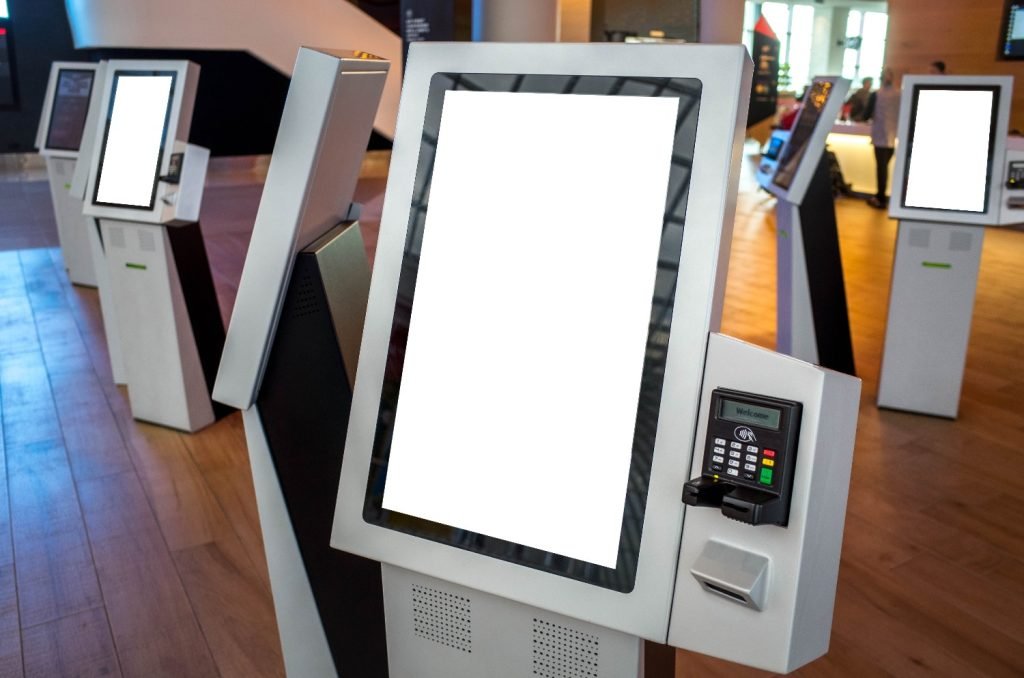
To enhance your kiosk’s capabilities, we seamlessly integrate a variety of peripherals:
- Barcode Scanners: For quick product lookups or loyalty program integration.
- Payment Terminals: Secure card readers and contactless payment options.
- Printers: Receipt, ticket, or label printers for various applications.
- Biometric Readers: Fingerprint or facial recognition for enhanced security.
- RFID Sensors: For access control or inventory management.
- Cameras: For video conferencing or security purposes.
- Audio Systems: Speakers and microphones for multimedia experiences.
Our integration process ensures that all peripherals work harmoniously with the kiosk’s hardware and software, providing a seamless user experience.
Testing and Validation
Rigorous testing and validation are critical steps in the custom kiosk development process, ensuring that your final product meets the highest standards of quality, usability, and reliability. At LCDSLD, we employ a comprehensive suite of testing methodologies to guarantee that your kiosk performs flawlessly in real-world conditions.
User Testing
We conduct extensive user testing to identify and address any usability issues, ensuring an intuitive and engaging experience for your target audience:
- Usability Labs: Controlled environments where we observe users interacting with kiosk prototypes.
- A/B Testing: Comparing different interface designs to determine the most effective layout.
- Task Completion Analysis: Measuring how efficiently users can complete specific actions on the kiosk.
- Eye-Tracking Studies: Understanding where users focus their attention on the interface.
- Accessibility Testing: Ensuring the kiosk is usable by individuals with various disabilities.
Our iterative testing process allows us to refine the user experience based on real user feedback, resulting in a kiosk that truly meets your customers’ needs.
Environmental Testing
Depending on the intended deployment environment, we perform rigorous testing to ensure the kiosk can withstand various conditions:
- Temperature Stress Tests: Verifying performance in extreme heat and cold.
- Humidity Resistance: Ensuring components can operate in high-moisture environments.
- Vibration and Shock Testing: Simulating transportation and rough handling scenarios.
- Dust and Water Resistance: Testing for IP ratings appropriate to the deployment location.
- UV Exposure: Evaluating long-term effects of sunlight on outdoor kiosks.
- EMI/EMC Testing: Checking for electromagnetic interference and compatibility.
These tests help us identify and address potential issues before deployment, ensuring your kiosk remains operational in challenging environments.
Compliance and Certification
Our team ensures that the final kiosk design adheres to all relevant industry standards and regulations:
- ADA Compliance: Meeting accessibility requirements for users with disabilities.
- EMC/EMI Certifications: Ensuring electromagnetic compatibility and reduced interference.
- UL/CSA Safety Standards: Verifying electrical safety and fire resistance.
- PCI DSS Compliance: For kiosks handling payment transactions.
- GDPR and Data Privacy: Ensuring proper handling of user data in applicable regions.
- Industry-Specific Regulations: Such as HIPAA for healthcare kiosks or FDA regulations for food service applications.
We work closely with certification bodies to obtain all necessary approvals, providing you with peace of mind and legal compliance.
Performance Benchmarking
To ensure your kiosk meets or exceeds performance expectations, we conduct thorough benchmarking:
- Load Testing: Simulating high-traffic scenarios to verify system stability.
- Response Time Analysis: Measuring and optimizing UI responsiveness.
- Power Consumption Monitoring: Ensuring energy efficiency for long-term operation.
- Durability Testing: Assessing component lifespan under continuous use.
These benchmarks help us fine-tune the kiosk’s performance, ensuring it can handle peak demands while maintaining efficiency.
Security Audits
Protecting your kiosk and user data is paramount. Our security testing includes:
- Penetration Testing: Identifying and addressing potential vulnerabilities.
- Data Encryption Verification: Ensuring sensitive information is properly protected.
- Physical Security Assessments: Testing tamper-resistance and access control measures.
- Software Security Scans: Checking for potential exploits in custom and third-party software.
By rigorously testing every aspect of your custom kiosk, we deliver a product that is not only functional and user-friendly but also secure, compliant, and built to last in its intended environment.
Custom Kiosk Manufacturing: Precision and Quality
Once the design phase is complete, our state-of-the-art manufacturing facilities take over to bring your custom kiosk vision to life. At LCDSLD, we pride ourselves on our meticulous attention to detail and unwavering commitment to quality.
Materials and Enclosures: We offer a wide range of enclosure materials, including steel, aluminum, and high-grade plastics, tailored to your specific requirements for durability, aesthetics, and environmental conditions.
Customization Options: From custom colors and branding to unique shapes and finishes, we can create truly distinctive kiosk enclosures that align with your brand identity.
Assembly and Integration: Our lean manufacturing processes ensure efficient assembly, minimizing waste and maximizing productivity. Stringent quality control measures are implemented at every stage, including component inspections, functional testing, and final quality assurance checks.
Deployment and Support
Logistics and Installation: We offer comprehensive logistics and installation services, ensuring a smooth deployment process for your custom kiosks, whether locally or globally.
Maintenance and Support: Our dedicated support team is available to provide ongoing maintenance, repairs, and software updates, ensuring your kiosks operate at peak performance throughout their lifecycle.
Applications Across Industries
Custom kiosks have revolutionized customer interactions and operational efficiency across a wide range of sectors. These versatile self-service solutions are transforming how businesses engage with their audience, streamline processes, and deliver enhanced experiences. Let’s explore how custom kiosks are making a significant impact in various industries:
Retail: Elevating the Shopping Experience
In the competitive retail landscape, custom kiosks are becoming indispensable tools for enhancing customer engagement and boosting sales:
- Interactive Product Displays: Allow customers to explore detailed product information, compare options, and view demonstrations.
- Self-Checkout Kiosks: Reduce wait times and improve efficiency, especially during peak shopping hours.
- Order Placement Terminals: Enable customers to browse catalogs and place orders for out-of-stock or customized items.
- Loyalty Program Management: Facilitate sign-ups, point checks, and reward redemptions.
- Virtual Fitting Rooms: Utilize augmented reality to let shoppers “try on” clothes virtually.
By integrating these kiosk solutions, retailers can create a more engaging, efficient, and personalized shopping experience that meets the expectations of modern consumers.
Hospitality: Streamlining Guest Services
The hospitality industry is leveraging custom kiosks to enhance guest satisfaction and operational efficiency:
- Self-Check-In/Out Kiosks: Reduce front desk queues and offer 24/7 service for late arrivals.
- Concierge Information Terminals: Provide guests with local attractions, dining recommendations, and booking services.
- Room Service Ordering: Allow guests to browse menus and place orders directly from kiosks.
- Feedback Collection: Gather real-time guest feedback to improve services promptly.
- Wayfinding Displays: Help guests navigate large resorts or conference centers easily.
These applications not only improve the guest experience but also allow staff to focus on more complex guest needs and personalized service.
Healthcare: Enhancing Patient Care and Efficiency
In healthcare settings, custom kiosks are improving patient experiences and streamlining administrative tasks:
- Patient Check-In Systems: Reduce wait times and collect necessary information before appointments.
- Health Information Dissemination: Provide educational content on various health topics and conditions.
- Prescription Refill Kiosks: Allow patients to request refills and receive notifications when ready.
- Wayfinding Solutions: Help patients and visitors navigate complex hospital layouts.
- Telemedicine Stations: Facilitate remote consultations in rural or underserved areas.
By automating routine tasks, healthcare providers can focus more on patient care while improving overall efficiency and accessibility of services.
Transportation: Facilitating Travel and Information Access
The transportation sector utilizes custom kiosks to streamline operations and enhance traveler experiences:
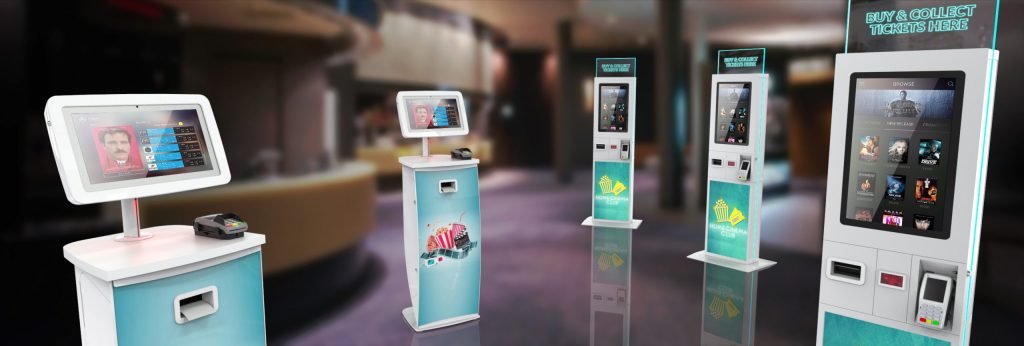
- Ticketing Kiosks: Enable quick and easy ticket purchases or retrievals for various modes of transport.
- Real-Time Information Displays: Provide up-to-date schedules, delays, and gate changes.
- Self-Service Bag Drop: Allow passengers to check in luggage without staff assistance.
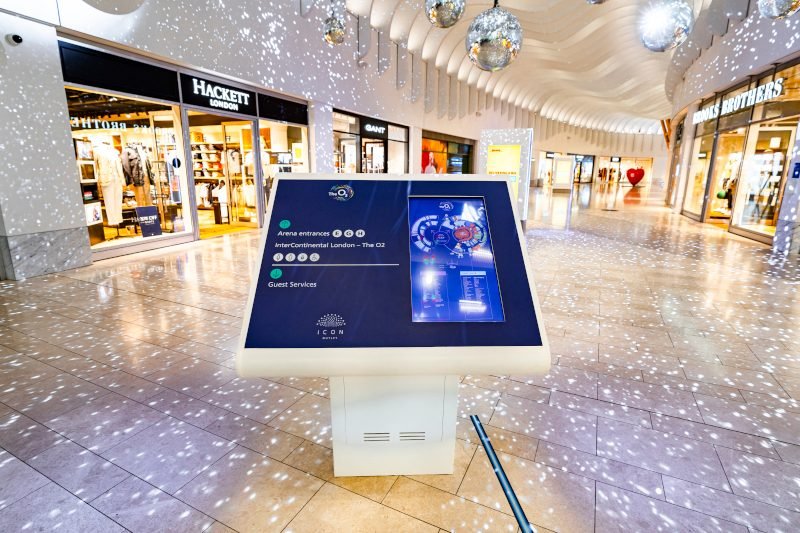
- Interactive Maps: Help travelers navigate airports, train stations, or bus terminals.
- Car Rental Services: Facilitate vehicle selection, upgrades, and contract completion.
These applications reduce congestion at service counters, provide 24/7 assistance, and empower travelers with instant access to crucial information.
Financial Services: Modernizing Banking Interactions
Banks and financial institutions are adopting custom kiosks to offer more convenient and secure services:
- ATM+ Kiosks: Provide advanced functionalities beyond cash withdrawals, such as account management and loan applications.
- Video Teller Machines: Connect customers with remote tellers for more complex transactions.
- Financial Product Information: Offer interactive guides to various banking products and services.
- Queue Management Systems: Streamline customer flow and reduce perceived wait times.
- Identity Verification Stations: Enhance security for high-value transactions or account openings.
By implementing these kiosk solutions, financial institutions can offer more efficient services while maintaining a personal touch through technology.
Conclusion
Designing and building a custom kiosk requires careful consideration of your target audience, goals, branding, functionality, and accessibility. By following these guidelines and seeking professional assistance when needed, you can create a unique and functional kiosk that enhances the customer experience and drives business success.
For more information on our custom kiosk solutions, visit our product category page or explore our best Android touch screen kiosk supplier offerings.


 English
  Arabic
  Spanish