



Are you looking to expand your business in West Jakarta? Supplier-led kiosks might be the solution you need. These compact, efficient spaces are becoming a vital part of the retail landscape, offering a direct connection between suppliers and consumers while integrating advanced custom display technologies. This guide will walk you through how to find affordable supplier-led kiosks without compromising on quality, enabling you to grow your customer base and increase sales.
Understanding Supplier-Led Kiosks
What Are Supplier-Led Kiosks?
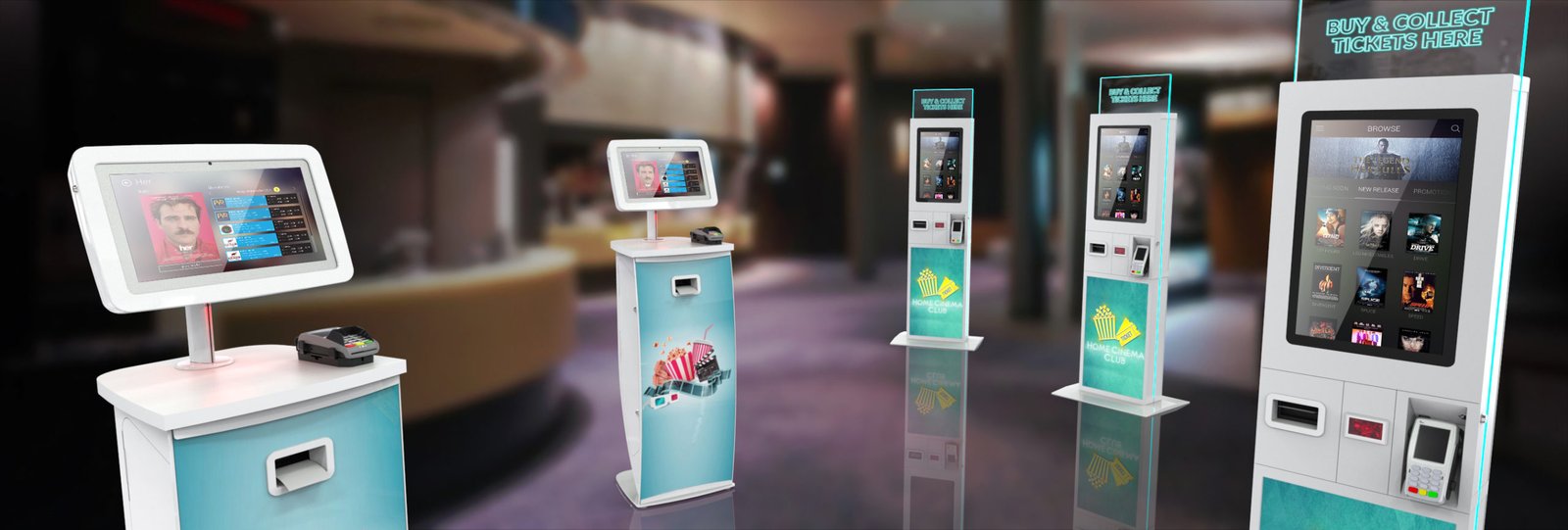
In the dynamic landscape of retail, supplier-led kiosks have emerged as a modern solution to traditional retail challenges. These kiosks are not merely stalls; they are strategically placed retail spaces that are managed directly by suppliers. Unlike conventional stores, which often require significant overhead costs and complex supply chains, supplier-led kiosks provide a streamlined approach to reaching consumers.

- Direct Sales Model: By eliminating middlemen, these kiosks enable suppliers to offer products directly to consumers at competitive prices. This model not only reduces costs but also enhances the overall shopping experience by providing customers with immediate access to products.
- Personalized Engagement: Supplier-led kiosks foster closer relationships between brands and customers. The direct interaction allows for tailored service, immediate feedback, and a more personalized shopping experience. This engagement is crucial in today’s market, where consumers expect brands to understand their preferences and needs.
Why West Jakarta?
West Jakarta presents a unique opportunity for supplier-led kiosks due to its vibrant and diverse population coupled with increasing urbanization. The city’s economic growth and evolving consumer behavior make it an ideal location for innovative retail solutions.
- Open Market: The residents of West Jakarta are known for their receptiveness to new shopping experiences. This openness creates a fertile ground for supplier-led kiosks, allowing businesses to introduce new products and services effectively.
- Dynamic Retail Environment: The combination of traditional markets and modern shopping centers enhances the potential for kiosk success. This blend creates a competitive yet collaborative environment where supplier-led kiosks can thrive, catering to various consumer demands.
Benefits and Challenges of Supplier-Led Kiosks
Benefits of Supplier-Led Kiosks
Supplier-led kiosks are reshaping the retail landscape by offering numerous advantages for businesses looking to enhance customer engagement and operational efficiency. Here are some key benefits:
Direct Interaction with Customers
One of the standout features of supplier-led kiosks is their ability to facilitate face-to-face engagement with customers. This direct interaction fosters trust and loyalty, as customers appreciate the personal touch that comes from speaking directly with a brand representative. By engaging customers in real-time, businesses can gather immediate feedback, address concerns, and tailor their offerings to meet specific needs.
Lower Overhead Costs
The operational model of supplier-led kiosks significantly reduces overhead costs compared to traditional retail spaces. With a smaller footprint, these kiosks require less capital investment in terms of rent and utilities. This cost efficiency allows businesses to allocate resources more effectively, potentially leading to lower prices for consumers and improved profit margins for suppliers.
Flexibility in Locations
Supplier-led kiosks offer unparalleled flexibility in terms of location. They can be strategically set up in high-traffic areas such as shopping malls, airports, and event venues, allowing businesses to adapt quickly to market trends and consumer behaviors. This adaptability not only maximizes visibility but also enables suppliers to reach diverse customer demographics effectively.
Enhanced Customer Experience
By providing a convenient point of sale, supplier-led kiosks enhance the overall customer experience. They allow for quick transactions without the need for extensive staff involvement, reducing wait times and improving service speed. This efficiency is particularly beneficial in busy environments where customers value convenience.
Challenges of Implementing Kiosks
While supplier-led kiosks present numerous benefits, they also come with challenges that businesses must navigate carefully:
Finding the Right Location
Choosing the right location for a kiosk is critical. A poorly selected site can lead to low foot traffic and diminished sales potential. Businesses must conduct thorough market research to identify high-traffic areas that align with their target audience. Factors such as visibility, accessibility, and proximity to complementary businesses should be carefully considered.
Operational Management
Running a kiosk requires meticulous planning regarding staffing and inventory management. Businesses must ensure they have trained personnel available to assist customers when needed while also managing stock levels effectively. Inadequate staffing or inventory shortages can lead to negative customer experiences and lost sales opportunities.
Regulatory Compliance
Navigating local laws and regulations is essential for any business operating supplier-led kiosks. Different regions may have specific requirements regarding health standards, business licenses, and consumer protection laws. Non-compliance can result in fines or legal issues that could jeopardize operations. Therefore, staying informed about relevant regulations is crucial for success.
Finding the Right Suppliers: Local vs. International
Choosing the right suppliers is a critical decision for businesses, particularly for OEMs in the custom display and touch solutions industry. This choice can significantly impact operational efficiency, cost management, and product quality. In this section, we will explore the advantages and challenges of sourcing from local versus international suppliers, providing insights to help you make informed decisions.
Local vs. International Suppliers
When evaluating potential suppliers, it’s essential to understand the unique benefits and drawbacks each option presents.
Local Suppliers
Sourcing from local suppliers offers several compelling advantages:
- Better Understanding of Regional Trends: Local suppliers are often more attuned to consumer behavior and market dynamics within their region. This insight allows them to provide products that resonate well with local customers.
- Easier Communication: Proximity fosters better communication. Shared language and cultural understanding can streamline negotiations, making it easier to address issues as they arise.
- Faster Delivery Times: With shorter distances to cover, local suppliers typically offer quicker shipping times. This agility is crucial for businesses that need to respond rapidly to market changes or customer demands.
- Enhanced Quality Control: Working closely with local suppliers allows for more effective oversight of production processes. Businesses can conduct site visits and inspections more easily, ensuring that products meet quality standards before they reach consumers.
- Support for the Local Economy: Sourcing locally contributes to the economic health of your community, fostering job creation and supporting local businesses. This commitment can enhance your brand’s reputation among consumers who prioritize sustainability and community investment.
International Suppliers
While local sourcing has its benefits, international suppliers also present valuable opportunities:
- Potential Cost Savings: International sourcing can lead to lower costs, particularly when purchasing in bulk. Many countries offer competitive pricing due to lower labor costs and economies of scale.
- Access to Unique Products: Global markets often provide access to specialized products or materials not readily available locally. This diversity can enhance your product offerings and differentiate your brand in a competitive landscape.
- Wider Product Selection: Sourcing internationally allows businesses to tap into a broader range of resources and expertise. This access can be particularly beneficial for companies looking to innovate or expand their product lines.
- Scalability: International suppliers may have greater production capacities, enabling businesses to scale operations more effectively as demand increases.
Challenges of Sourcing
Despite the benefits, both local and international sourcing come with challenges that must be carefully considered:
Local Suppliers
- Limited Product Options: While local suppliers may excel in certain areas, they might not offer the same variety as international counterparts. Businesses may find themselves constrained by the available options.
- Higher Costs: Local sourcing can sometimes result in higher prices due to increased labor costs and limited production capabilities. Smaller businesses may struggle to compete on price with larger international manufacturers.
International Suppliers
- Complex Logistics: Sourcing from abroad involves navigating complex logistics, including customs regulations, tariffs, and longer lead times. These factors can complicate supply chain management and increase operational risks.
- Quality Control Challenges: Maintaining quality standards can be more difficult when working with distant suppliers. Communication barriers and time zone differences may hinder effective oversight and prompt resolution of issues.
- Cultural Differences: Engaging with international suppliers often requires navigating cultural nuances that could impact negotiations and business relationships.
Making an Informed Decision
When deciding between local and international suppliers, consider the following factors:
- Market Needs: Assess your target market’s preferences for product variety, price sensitivity, and delivery speed.
- Cost Analysis: Conduct a thorough analysis of total costs associated with each supplier type, including shipping fees, tariffs, and potential delays.
- Quality Requirements: Determine your quality standards and how each supplier can meet those expectations.
- Long-Term Relationships: Evaluate the potential for building long-term partnerships with suppliers that align with your business values and goals.
- Environmental Impact: Consider the sustainability implications of your sourcing decisions. Local sourcing typically results in a smaller carbon footprint due to reduced transportation distances.
Negotiating the Best Deals with Suppliers
Negotiation is a critical skill when establishing supplier relationships for your kiosk. Effective negotiation not only helps secure favorable terms but also fosters long-term partnerships that can enhance your business operations. Here’s how to approach negotiations strategically to maximize value and ensure successful outcomes.
Research Market Rates
Understanding current market rates is essential for negotiating effectively. By conducting thorough research, you can gain insights into pricing trends and competitive offers within your industry. This knowledge empowers you to make informed decisions and ensures that you are neither overpaying nor undervaluing your proposals.
- Utilize Industry Reports: Leverage industry reports and market analyses to gather data on pricing trends for custom display solutions and kiosk products.
- Benchmark Against Competitors: Compare supplier prices with those of competitors to identify reasonable pricing ranges and potential negotiation leverage.
Build Strong Relationships
Investing time in building rapport with suppliers can significantly enhance negotiation outcomes. Strong relationships lead to better communication, trust, and collaboration, which are crucial for successful negotiations.
- Engage in Regular Communication: Maintain open lines of communication with suppliers to understand their capabilities, constraints, and business goals.
- Foster Mutual Respect: Approach negotiations as a partnership rather than a transactional interaction. Recognizing each other’s needs can lead to more favorable terms for both parties.
Define Clear Expectations
Clearly articulating your needs and expectations is vital to prevent misunderstandings during negotiations. Ambiguity can lead to misaligned goals and dissatisfaction on both sides.
- Establish Specific Objectives: Before entering negotiations, define what you aim to achieve, including pricing, delivery timelines, and quality standards.
- Document Agreements: Keep a written record of all agreements made during negotiations to ensure clarity and accountability moving forward.
Quality Assurance: Ensuring Excellence in Supplier Relationships
In the competitive landscape of custom display solutions, maintaining high-quality standards is non-negotiable. Quality assurance not only safeguards your brand reputation but also enhances customer satisfaction and loyalty. Here’s how to effectively implement quality assurance processes when working with suppliers.
The Importance of Quality Assurance
Quality assurance is a systematic process that ensures products meet specified requirements and standards. For OEMs in the custom display and touch solutions industry, this means delivering products that not only function as intended but also exceed customer expectations. A robust quality assurance strategy can lead to several benefits:
- Increased Customer Satisfaction: High-quality products foster trust and satisfaction among customers, leading to repeat business and positive referrals.
- Reduced Costs: By identifying defects early in the supply chain, businesses can minimize waste and avoid costly recalls or rework.
- Enhanced Brand Reputation: Consistently delivering quality products strengthens brand credibility and positions your company as a leader in the industry.
Key Steps in Quality Assurance
Inspect Products Thoroughly
To ensure that all items meet your quality standards, rigorous inspection processes are essential. This can involve:
- Sampling: Conduct random sampling of products during production to assess quality. This method provides a snapshot of overall product quality without the need for exhaustive checks.
- Site Visits: Whenever possible, conduct site visits to suppliers’ facilities. This allows for firsthand observation of manufacturing processes and quality control measures in place.
- Testing: Implement functional testing to verify that products perform as expected under various conditions. For custom displays, this may include testing for durability, responsiveness, and visual clarity.
Check Supplier Reputation
Understanding a supplier’s reliability is crucial for ensuring consistent quality. Here are effective strategies to assess supplier reputation:
- Seek References: Ask for references from other businesses that have worked with the supplier. Engaging with past clients can provide valuable insights into the supplier’s performance, reliability, and commitment to quality.
- Review Performance Metrics: Analyze key performance indicators (KPIs) such as on-time delivery rates, defect rates, and responsiveness to issues. This data can help you gauge the supplier’s reliability over time.
- Utilize Industry Networks: Leverage your professional network or industry associations to gather feedback about potential suppliers. Insights from peers can help identify reputable partners.
Additional Quality Assurance Strategies
Establish Clear Quality Standards
Before entering into agreements with suppliers, it’s vital to establish clear quality standards that align with your business goals. This includes:
- Defining Specifications: Clearly outline product specifications, including material requirements, dimensions, performance criteria, and compliance with industry standards.
- Creating Quality Control Plans: Develop comprehensive quality control plans that detail inspection processes, testing protocols, and corrective actions for non-compliance.
Foster Open Communication
Maintaining open lines of communication with suppliers is essential for effective quality assurance:
- Regular Check-ins: Schedule regular meetings to discuss quality performance, address concerns, and share feedback. This proactive approach fosters collaboration and continuous improvement.
- Feedback Loops: Implement feedback loops where both parties can share insights on product performance and areas for improvement. This collaborative effort enhances product quality over time.
Invest in Technology
Utilizing technology can streamline quality assurance processes:
- Quality Management Software (QMS): Implement a QMS to track inspections, manage documentation, and analyze quality data efficiently. A robust QMS can help identify trends and areas needing attention.
- Automated Inspection Tools: Consider investing in automated inspection tools that use advanced technologies such as AI and machine learning to detect defects early in the production process.
Implementation and Management of Supplier-Led Kiosks
Selecting the right location and managing operations effectively are crucial components for the success of supplier-led kiosks. This guide will delve into the key considerations for choosing an optimal location and provide insights into managing kiosk operations efficiently.
Choosing the Right Location
The location of your kiosk can significantly influence its performance. Here are several critical factors to consider:
Foot Traffic
High foot traffic areas, such as busy streets, shopping malls, and transportation hubs, can dramatically increase sales opportunities. Positioning your kiosk where potential customers frequently pass ensures maximum visibility and engagement.
- Market Research: Conduct thorough market research to identify high-traffic locations that align with your target demographics. Utilize foot traffic data to make informed decisions about placement.
Competition Analysis
Assessing nearby competitors is essential for understanding the market landscape. Proximity to similar businesses can either enhance or detract from your kiosk’s sales potential.
- Competitive Advantage: Analyze competitors’ offerings, pricing strategies, and customer engagement methods. This information can help you differentiate your kiosk and develop a unique value proposition.
Accessibility
Ensuring easy access for customers is paramount. Consider factors such as parking availability, public transport options, and overall convenience.
- Customer Experience: A kiosk that is easily accessible encourages more visits. Evaluate the surrounding infrastructure to ensure it supports customer flow and convenience.
Managing Operations Effectively
Running a successful supplier-led kiosk involves adept management across various operational aspects. Here are key strategies for effective operations:
Hire Competent Staff
Employ knowledgeable individuals who excel in customer service. Staff play a vital role in creating a positive customer experience, which can lead to repeat business.
- Training Programs: Implement comprehensive training programs that equip staff with product knowledge and customer service skills. Regular training sessions can help maintain high service standards.
Monitor Performance Metrics
Regularly reviewing sales data and customer feedback is essential for making informed decisions. Performance metrics provide insights into what works and what needs improvement.
- Data-Driven Decisions: Utilize analytics tools to track key performance indicators (KPIs) such as sales volume, customer satisfaction scores, and inventory turnover rates. This data can guide operational adjustments.
Inventory Management
Keeping track of stock levels is crucial to avoid shortages of popular items. Effective inventory management ensures that you meet customer demand without overstocking.
- Automated Systems: Consider implementing inventory management software that provides real-time tracking of stock levels, alerts for reordering, and insights into sales trends.
Marketing and Promotion Strategies
Attracting customers to your kiosk requires strategic marketing efforts. Consider various promotional tactics to enhance visibility and drive sales.
- Special Offers: Implement promotions such as discounts or loyalty programs to incentivize purchases. Highlight these offers prominently at your kiosk to attract attention.
- Social Media Engagement: Leverage social media platforms to promote your kiosk’s location, offerings, and special events. Engaging content can drive foot traffic and enhance brand awareness.
Compliance and Regulations for Kiosk Operations
Legal compliance is a fundamental aspect of operating supplier-led kiosks. Adhering to local laws and regulations not only safeguards your business from potential legal issues but also enhances customer trust and brand reputation. This section outlines the critical components of compliance and offers guidance on navigating the regulatory landscape effectively.
Understanding Legal Compliance
Compliance encompasses a wide range of legal requirements that businesses must adhere to, including business licensing, health standards, and industry-specific regulations. For kiosk operators, understanding these requirements is essential to ensure smooth operations and avoid costly penalties.
Stay Informed on Local Laws
To maintain compliance, it is crucial to stay updated on local laws that govern kiosk operations. This includes:
- Business Licensing: Ensure that your kiosk has the necessary permits and licenses to operate legally in your chosen location. This may involve registering with local authorities and obtaining specific operational permits.
- Health Standards: Adherence to health regulations is particularly important for kiosks that handle food or beverages. Ensure compliance with local health codes, which may require regular inspections and adherence to sanitation practices.
- Industry Regulations: Different industries may have specific regulations that apply to kiosk operations. For instance, kiosks in healthcare settings must comply with HIPAA (Health Insurance Portability and Accountability Act) regulations regarding patient privacy.
Seek Legal Guidance When Necessary
Navigating the complex regulatory environment can be challenging. Consulting with legal experts can provide valuable insights and help you stay compliant with applicable laws. Here are some steps to consider:
- Engage Legal Professionals: Work with attorneys who specialize in business law or kiosk operations. They can help interpret regulations, provide advice on compliance strategies, and assist in drafting necessary legal documents.
- Conduct Regular Compliance Audits: Periodically review your kiosk operations to ensure compliance with all relevant laws and regulations. This proactive approach can help identify potential issues before they escalate into legal problems.
Key Regulatory Considerations
Accessibility Compliance
One significant area of compliance for kiosks is ensuring accessibility for all users, including those with disabilities. The Americans with Disabilities Act (ADA) outlines specific requirements for accessibility:
- Physical Accessibility: Kiosks must be designed to accommodate individuals with disabilities. This includes adhering to height specifications, ensuring clear pathways, and providing accessible features such as audio instructions.
- User-Friendly Design: The user interface should be intuitive and easy to navigate for individuals with varying abilities. Consider incorporating features like touch screens with adjustable heights or voice commands.
Payment Processing Compliance
If your kiosk accepts payments, it must comply with the Payment Card Industry Data Security Standard (PCI DSS). This set of security standards ensures that all companies that accept, process, store, or transmit credit card information maintain a secure environment.
- Data Protection Measures: Implement robust security measures such as encryption, secure networks, and regular security assessments to protect sensitive customer information.
- Regular Training for Staff: Ensure that employees are trained on data security best practices related to payment processing. This includes recognizing potential security threats and understanding how to respond appropriately.
Additional Compliance Considerations
Environmental Regulations
As sustainability becomes increasingly important, kiosk operators should also be aware of environmental regulations that may apply:
- Waste Management: Ensure proper disposal of electronic waste and follow local guidelines for recycling materials used in kiosk construction.
- Energy Efficiency Standards: Consider incorporating energy-efficient technologies into your kiosks to reduce environmental impact and comply with energy regulations.
Insurance Requirements
Having the right insurance coverage is essential for protecting your business against potential liabilities:
- Liability Insurance: Obtain liability insurance to cover claims related to accidents or injuries occurring at your kiosk. This protects both your business and your customers.
- Property Insurance: Consider property insurance to safeguard against damage or loss of equipment due to theft, vandalism, or natural disasters.
Balancing Quality and Budget in Supplier-Led Kiosks
In the competitive landscape of supplier-led kiosks, finding the right balance between quality and budget is essential for success. OEMs and industry professionals must navigate this delicate balance to ensure customer satisfaction while maintaining profitability. This guide will explore strategies for achieving this equilibrium, emphasizing the importance of quality, long-term value, and strategic supplier partnerships.
Evaluating Quality vs. Price
When it comes to sourcing products for your kiosk, evaluating quality against price is paramount. While saving costs is important, compromising on quality can lead to dissatisfied customers and potential long-term losses. Here are key considerations:
- Quality Assurance: Prioritize high-quality materials and products that enhance the customer experience. For instance, using durable components in custom display solutions can reduce maintenance costs and improve customer satisfaction.
- Cost-Benefit Analysis: Conduct a thorough analysis to understand how initial investments in quality can yield higher returns over time. For example, investing in a robust display technology may have a higher upfront cost but can lead to lower replacement rates and better performance.
Consider Long-Term Value
Investing more upfront in high-quality products or prime locations can yield greater returns over time. Here’s why considering long-term value is crucial:
- Customer Loyalty: High-quality products foster trust and loyalty among customers, leading to repeat business. A satisfied customer is more likely to return and recommend your kiosk to others.
- Market Positioning: Establishing your kiosk as a provider of quality products can differentiate you from competitors who may prioritize cost-cutting over quality. This positioning can enhance brand reputation and attract a loyal customer base.
Key Considerations for Success
Supplier Reputation
Partnering with established suppliers is vital for ensuring consistent quality. Here’s how to assess supplier reputation effectively:
- Research and Reviews: Investigate potential suppliers by reading reviews and seeking testimonials from other businesses that have worked with them. Reliable suppliers should have a track record of delivering quality products on time.
- Industry Standards Compliance: Ensure that your suppliers comply with industry standards and regulations relevant to custom display solutions. This compliance not only ensures product quality but also mitigates risks associated with non-compliance.
Customer Needs Assessment
Understanding customer preferences is critical for driving sales. Tailor your product offerings based on insights gathered from market research:
- Surveys and Feedback: Regularly collect feedback from customers to understand their needs and preferences better. Utilize this data to adjust your product selection accordingly.
- Personalization: Offering customized solutions can enhance customer satisfaction. For example, kiosks that provide tailored display options based on user preferences can significantly improve engagement.
Warranties and Support
Evaluating after-sale support from suppliers enhances customer trust and satisfaction:
- Comprehensive Warranties: Look for suppliers that offer robust warranties on their products. This assurance not only protects your investment but also signals confidence in the product’s quality.
- Responsive Customer Support: Ensure that your suppliers provide responsive customer support to address any issues that may arise post-purchase. Effective communication channels contribute to a positive customer experience.
Conclusion
This guide has explored the essentials of establishing supplier-led kiosks in West Jakarta—from understanding their benefits to navigating operational challenges. By focusing on quality, functionality, and budget considerations, you can successfully leverage these innovative retail spaces while integrating advanced custom display technologies that meet OEM needs.
Finding affordable supplier-led kiosks in West Jakarta is not just about cost; it’s about striking a balance between quality, functionality, and budget considerations that align with LCDSLD’s mission as a leading provider of custom display solutions for OEMs worldwide. Embrace this opportunity today—your path toward enhanced business success awaits!


 English
  Arabic
  Spanish