


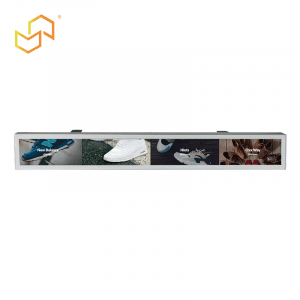
Dubai’s skyline is not just defined by its towering skyscrapers; it is illuminated by cutting-edge LED technology that captivates audiences and elevates brand experiences. As the city cements its position as a global hub for digital signage, businesses are increasingly seeking the best LED screen suppliers to bring their visions to life. However, with a multitude of options available, how do you choose the right partner for your project? This comprehensive guide highlights Dubai’s top LED screen suppliers, focusing on custom displays, touch solutions, and OEM partnerships, equipping you with the insights needed to make informed decisions that will enhance your digital presence.

Understanding the Importance of LED Screen Technology
LED (Light Emitting Diode) screens have revolutionized the way we consume and interact with digital content across various industries, from advertising to retail and beyond. Here are some key advantages that make LED technology indispensable:
- Superior Image Quality: LED screens deliver exceptional brightness, contrast, and color accuracy, ensuring that visuals are displayed with stunning clarity.
- Energy Efficiency: These displays are highly energy-efficient, resulting in lower operational costs and a reduced environmental footprint.
- Durability and Longevity: Designed to withstand harsh environmental conditions, LED screens are suitable for both indoor and outdoor applications.
- Versatility: Customizable in various sizes, shapes, and configurations, LED displays can seamlessly integrate into any space or application.
As businesses in Dubai strive to captivate their audiences and elevate their brand experiences, the demand for high-quality LED screen solutions has surged, leading to a diverse array of suppliers each offering unique capabilities.
Key Factors to Consider When Choosing an LED Screen Supplier
When selecting an LED screen supplier for your digital signage project, several critical factors can significantly influence your investment’s success. Let’s explore these key considerations:
3.1 Product Quality and Cutting-Edge Technology
The foundation of any successful LED display project is the quality of the screens themselves. Look for suppliers offering:
- High-resolution displays with fine pixel pitches (1mm to 4mm for indoor use; 4mm to 10mm for outdoor)
- Superior brightness levels (5,000-10,000 nits for outdoor screens)
- Wide viewing angles (140° or more)
- Energy-efficient solutions (LED modules with power consumption <0.5W per pixel)
Evaluate the supplier’s commitment to innovation by seeking features such as:
- HDR (High Dynamic Range) support
- Advanced color calibration systems
- Smart control systems for remote management
Pro Tip: Request detailed product specifications and compare them across multiple suppliers to ensure you’re getting state-of-the-art technology.
3.2 Customization Capabilities and Design Flexibility
Every project has unique requirements; thus, a top-tier LED screen supplier should offer tailored solutions. Consider suppliers that provide:
- Custom screen sizes and shapes (curved, spherical, or irregular designs)
- Modular systems for easy installation and future expansion
- Seamless integration with existing architecture or branding
A diverse portfolio showcasing installations—from massive outdoor billboards to intricate indoor displays—demonstrates their ability to bring your specific vision to life.
3.3 Comprehensive Technical Support and After-Sales Service
LED screens are complex systems requiring ongoing maintenance. Prioritize suppliers offering:
- 24/7 technical support hotlines
- On-site maintenance services
- Comprehensive warranties (typically 3-5 years)
Training programs for your staff on system operation can also be invaluable.
Key Insight: Ask about average response times for technical issues and their process for handling urgent repairs.
3.4 Industry Experience and Proven Track Record
Experience speaks volumes in the LED screen industry. When evaluating suppliers, consider:
- Years of operation in the LED display market
- Number and scale of successful installations
- Client testimonials and case studies
- Industry awards or certifications
Key Insight: Look for suppliers with experience in your specific sector (retail, sports venues) as they’ll better understand your unique challenges.
3.5 Competitive Pricing and Long-Term Value
While cost is crucial, it shouldn’t be the sole determinant. Evaluate overall value by considering:
- Initial purchase price
- Energy efficiency and operational costs
- Durability and expected lifespan of the screens
- Cost of replacement parts
- Potential for future upgrades or expansions
Remember that the cheapest option upfront may lead to higher costs down the line if it lacks quality or support.
3.6 Environmental Considerations and Sustainability
In today’s eco-conscious market, consider suppliers prioritizing sustainability through:
- Energy-efficient LED modules
- Use of recyclable materials in screen construction
- Compliance with environmental regulations (e.g., RoHS)
Choosing a supplier with strong environmental credentials can reduce your carbon footprint while appealing to environmentally conscious customers.
Top LED Screen Suppliers in Dubai
Navigating the landscape of LED screen suppliers in Dubai can be daunting due to the multitude of options available. To streamline your search, we have compiled a comprehensive list of the top suppliers in the market, each distinguished by their unique strengths and offerings.
1. Dubai LED Screen (Sagetech Technologies)
Overview: Dubai LED Screen is a leading provider specializing in both indoor and outdoor LED display solutions. Their commitment to innovation has positioned them as a premier choice for businesses seeking high-quality displays.

Key Strengths:
- Extensive experience in the Dubai market, ensuring a deep understanding of local needs.
- A strong focus on customer satisfaction, with tailored solutions for various industries.
- Competitive pricing without compromising on product quality, making them an attractive option for budget-conscious buyers.
2. Brisigns (Blue Rhine Industries Signs)
Overview: Brisigns excels in providing diverse LED display solutions, particularly in wayfinding and integrated signage systems. Their expertise is ideal for businesses looking to enhance architectural spaces with digital displays.
Ideal For: Organizations that require comprehensive solutions for complex environments, such as shopping malls, hospitals, and educational institutions.
3. Pixcom
Overview: Pixcom adopts a holistic approach by offering full-service capabilities that include interactive kiosks and digital signage solutions. Their focus on innovation helps clients engage effectively with their audience.
Unique Selling Point: They provide end-to-end solutions, from hardware procurement to content management, ensuring seamless integration into existing systems.
4. BeBright
Overview: BeBright is renowned for its cutting-edge digital display technology that caters to various applications, from advertising to public information displays.
Standout Feature: Their commitment to smooth deployment processes and long-term performance guarantees customer satisfaction and reliability in service delivery.
5. LCDSLD
Overview: Although headquartered in China, LCDSLD has made significant inroads into the Dubai market, offering durable and high-quality displays tailored for OEM customers.

Perfect For: Businesses seeking comprehensive design, manufacturing, and technical support services for custom display solutions. Their expertise ensures that clients receive products that meet specific operational demands.
Choosing the Right Supplier for Your LED Screen Needs
Selecting the right LED screen supplier in Dubai is crucial for ensuring the success of your project. Given the competitive landscape and the variety of options available, it’s essential to carefully evaluate potential suppliers based on several key criteria that align with your specific requirements.
Project Scope
Begin by assessing the scope of your project. Consider the size and complexity of the installation. Are you looking for a large outdoor display for advertising, or a smaller indoor solution for an event? Understanding the scale will help narrow down your options and ensure that you choose a supplier capable of handling your specific needs. For instance, larger projects may require suppliers with extensive experience in large-scale installations, while smaller projects might benefit from suppliers that specialize in quick-turnaround solutions.
Technology Requirements
Next, evaluate the technology requirements for your project. Ensure that the supplier has access to the latest LED technology, including high-resolution displays, energy-efficient models, and advanced features such as touch capabilities or interactive elements. Suppliers who stay updated with current trends are more likely to offer innovative solutions that can enhance your project’s impact. For example, integrating smart technology can provide additional functionality, such as remote management and real-time content updates.
Budget Considerations
Budget is often a determining factor in supplier selection. Compare pricing alongside value-added services offered by each supplier. Look beyond initial costs; consider warranties, installation support, and after-sales services that may influence long-term value. According to industry standards, businesses typically allocate around 10-15% of their total project budget for maintenance and support services. This investment can significantly enhance the longevity and performance of your LED displays.
After-Sales Support
Robust after-sales support is vital for maintaining the performance of your LED screens over time. Investigate what maintenance offerings are available and how responsive the supplier is to service requests. Suppliers that provide comprehensive maintenance packages can help mitigate downtime and ensure that your displays remain operational and effective throughout their lifespan. It’s advisable to ask potential suppliers about their response times for service calls and any guarantees they offer regarding support.
Portfolio & References
Finally, review the supplier’s portfolio and references. Examine past projects to gauge their experience and expertise in delivering similar solutions. Testimonials from previous clients can provide insight into the supplier’s reliability, quality of work, and customer service. A strong portfolio not only reflects a supplier’s capabilities but also showcases their versatility across different applications and industries.
Expert Tips for Choosing the Right LED Screen Supplier
Selecting the right LED screen supplier is a critical decision that can significantly impact the success of your project. To foster a fruitful partnership, consider the following expert tips that will guide you through the selection process and ensure that your needs are met effectively.
Clearly Define Requirements
Before reaching out to potential suppliers, it is essential to clearly define your requirements. Specify the desired screen size, resolution, and any specific features you need, such as brightness levels or viewing angles. This clarity will help suppliers understand your expectations and provide tailored solutions. For instance, if you require a high-resolution display for an indoor event, detailing these specifications upfront allows suppliers to present their most relevant products.
Request Product Demonstrations
To evaluate the quality and performance of potential suppliers’ offerings, request product demonstrations. This hands-on experience allows you to assess not only the visual quality of the displays but also their functionality and ease of use. Observing how a screen performs in real-time can reveal insights about its brightness, color accuracy, and responsiveness. Additionally, seeing the product in action can help you gauge whether it meets your project’s specific needs.
Inquire About Customization Capabilities
Different projects often come with unique requirements that standard products may not fulfill. Therefore, it’s crucial to inquire about customization capabilities. Ensure that the supplier can accommodate your specific needs, whether it involves bespoke sizes, shapes, or features. A supplier with robust customization options can provide solutions that align perfectly with your project’s objectives. For example, if you’re designing an interactive display for a trade show booth, customization may be necessary to integrate touch technology seamlessly.
Evaluate Customer Support Levels
Assessing customer support levels is vital for long-term satisfaction. Investigate response times and the availability of technical experts who can assist you post-purchase. A supplier that offers comprehensive support can help resolve issues quickly and minimize downtime. Look for testimonials or case studies that highlight their customer service track record. A reliable support system ensures that any challenges you face during installation or operation are addressed promptly.
Consider Long-Term Partnerships
Building a long-term partnership with your LED screen supplier can streamline future projects and enhance collaboration. Suppliers who understand your business and its evolving needs can provide more relevant solutions over time. Consider establishing a relationship with a supplier who demonstrates a commitment to ongoing support and innovation. Long-term partnerships often lead to better pricing agreements and priority service, which can be invaluable as your business grows.
Real-World Applications of Custom Display Solutions
Custom display solutions, particularly LCDSLD’s touchscreen monitors, have made a significant impact across various industries such as retail, hospitality, healthcare, corporate events, advertising, branding, and entertainment. These innovative displays are not just tools; they transform the way businesses engage with their customers and audiences.
Retail & Hospitality
In the retail and hospitality sectors, interactive displays are revolutionizing traditional customer experiences. By implementing touchscreen monitors, businesses can create immersive journeys that captivate consumers from the moment they enter a store or venue. For example:
- Interactive Kiosks: Retailers are using kiosks to allow customers to browse products, check inventory, and even place orders directly from the screen. This not only enhances customer engagement but also streamlines the purchasing process.
- Digital Menus in Restaurants: Hospitality establishments are adopting digital menus that can be updated in real-time to reflect availability and promotions. This flexibility allows for dynamic pricing strategies and reduces the need for printed materials.
Statistics show that businesses utilizing interactive displays can see an increase in customer dwell time by up to 30%, which often translates into higher sales conversions.
Corporate & Events
For corporate environments and events, custom display solutions play a crucial role in delivering visually stunning presentations. Whether during product launches or corporate gatherings, these displays enhance communication and engagement. Key applications include:
- Large-Scale Presentations: High-definition video walls can be used to showcase product features or company achievements during conferences, ensuring that every attendee has a clear view of the content being presented.
- Virtual Events: In the era of remote work and virtual gatherings, touchscreen monitors facilitate interactive sessions where participants can engage directly with content through polls or Q&A sessions.
A study indicated that companies investing in advanced display technology for events reported a 25% increase in attendee satisfaction, highlighting the importance of visual engagement in corporate settings.
Advertising & Branding
In advertising and branding, vibrant billboards and digital signage solutions are essential tools for capturing attention in high-traffic areas. The advantages of using custom displays include:
- Dynamic Content: Unlike traditional static advertisements, digital signage allows for real-time updates and changes to content based on audience demographics or time of day. This adaptability ensures that messaging remains relevant and engaging.
- High Visibility: Large-format displays placed strategically in busy locations can significantly enhance brand visibility. Research shows that digital billboards can increase brand recall by 47% compared to static ads.
Entertainment & Sports
The entertainment industry leverages large-scale video walls to enhance fan experiences at venues. These displays bring events to life by providing immersive visuals that engage audiences more deeply. Examples include:
- Live Event Streaming: Large video walls allow fans to enjoy live broadcasts of events from multiple angles, enhancing their overall experience at games or concerts.
- Interactive Fan Engagement: Touchscreen displays at sports venues enable fans to access real-time statistics, player information, and even participate in games or contests during events.
According to industry reports, venues that incorporate advanced display technology see an increase in ticket sales and fan loyalty due to improved experiences.
Enhancing Customer Experiences with LED Screen Technology
In today’s competitive landscape, delivering exceptional customer experiences is essential for businesses aiming to stand out. One of the most effective ways to achieve this is through the integration of LED screen technology. By leveraging innovative display solutions, companies can engage customers more effectively, showcase products dynamically, and create aesthetically pleasing environments that enhance overall satisfaction.
Interactive Displays
Interactive displays are revolutionizing the way businesses engage with their customers. Touch-sensitive screens and gesture recognition technology allow users to interact directly with content, creating a more immersive experience. For instance, in retail environments, customers can browse product catalogs or access detailed information simply by touching the screen. This level of interactivity not only captivates attention but also empowers customers to make informed decisions at their own pace.
Moreover, studies indicate that interactive displays can increase customer engagement by up to 50%, significantly enhancing the likelihood of purchase. Businesses that implement these technologies often report higher customer satisfaction rates, as patrons appreciate the personalized and engaging nature of their shopping experience.
Dynamic Content Display
Another advantage of LED technology is its ability to deliver dynamic content displays. Businesses can showcase products using vibrant visuals that capture attention and convey messages effectively. For example, digital signage in restaurants can highlight daily specials or promotions through eye-catching animations and high-definition images. This not only informs customers but also entices them to explore offerings they may not have considered otherwise.
Furthermore, dynamic content allows for real-time updates, ensuring that information remains relevant and timely. A retail store can change its promotional messages based on inventory levels or seasonal trends without the need for printed materials. This flexibility not only enhances marketing strategies but also reduces costs associated with traditional advertising methods.
Seamless Integration
The aesthetic appeal of a business environment plays a crucial role in customer perception. Seamless integration of LED displays into existing architecture allows businesses to enhance their ambiance without compromising design integrity. Custom display solutions can be tailored to fit specific spaces, ensuring that they complement the overall aesthetic rather than detract from it.
For instance, in hospitality settings such as hotels and restaurants, LED screens can be incorporated into walls or furniture designs, creating a cohesive look while providing functional information or entertainment. This thoughtful integration helps create an inviting atmosphere that encourages customers to linger longer and enjoy their experience.
Supporting Data and Case Studies
Statistics support the effectiveness of LED technologies in enhancing customer experiences. A recent survey revealed that 78% of consumers believe that digital signage positively influences their shopping behavior. Additionally, case studies from various industries illustrate successful applications:
- Retail: A clothing store implemented interactive mirrors that allow customers to see how outfits look without trying them on physically. This innovation led to a 30% increase in sales during peak shopping seasons.
- Hospitality: A luxury hotel installed large-format LED displays in its lobby to showcase local attractions and events. Guests reported feeling more informed and engaged with the area, leading to higher satisfaction scores.
Embracing the Future of LED Screen Technology
The future of LED technology is bright and filled with exciting advancements that are shaping its evolution across various industries. As businesses increasingly seek innovative solutions to enhance customer engagement and operational efficiency, several key trends are emerging that promise to redefine the landscape of display technology.
Micro-LED Technology
One of the most significant advancements is Micro-LED technology, which offers superior brightness and energy efficiency compared to traditional LED displays. Micro-LEDs consist of tiny individual LEDs that can produce light independently, resulting in higher contrast ratios and vibrant colors. This technology not only enhances visual quality but also reduces power consumption, making it an environmentally friendly option.
For instance, Micro-LED displays can achieve brightness levels exceeding 1,000 nits, making them ideal for outdoor applications where visibility is crucial. Additionally, their compact size allows for more flexible design options, enabling manufacturers to create screens that fit seamlessly into various environments, from retail spaces to large-scale advertising installations.
Transparent Displays
Another groundbreaking development is transparent displays, which open up new possibilities for seamless integration into architectural designs. These displays allow users to view content while still seeing through the screen, creating a unique blend of digital and physical spaces. This capability is particularly beneficial in retail environments where businesses want to showcase products without obstructing views.
Transparent displays can be used in shop windows or as partitions in offices, providing dynamic advertising opportunities while maintaining aesthetic appeal. For example, a fashion retailer might use transparent screens to display clothing items while allowing passersby to see the store’s interior, effectively drawing them in without sacrificing visual clarity.
Flexible Screens
Flexible screens introduce a new level of versatility by allowing easy transport and installation tailored to unique applications. These displays can be bent or shaped to fit unconventional spaces, making them ideal for creative installations such as curved video walls or portable event displays.
The ability to adapt displays for different environments enhances their usability across various sectors—including events, exhibitions, and even automotive applications. For instance, flexible LED screens can be deployed at trade shows to create immersive booths that capture attention and engage visitors interactively.
AR & VR Integration
The integration of Augmented Reality (AR) and Virtual Reality (VR) with LED technology creates immersive experiences that blur the lines between digital and physical worlds. By combining LED displays with AR and VR capabilities, businesses can offer customers interactive experiences that enhance engagement and retention.
For example, museums are increasingly adopting AR technologies that allow visitors to interact with exhibits through their smartphones or AR glasses, while large LED screens provide supplementary information or animations that enrich the experience. This innovative approach not only captivates audiences but also provides educational value, making it a powerful tool for storytelling.
Industry Trends and Supplier Opportunities
As demand grows for these cutting-edge solutions, suppliers in Dubai are well-positioned to capitalize on these trends driving innovation within the industry. The region’s strategic location as a hub for trade and commerce makes it an ideal marketplace for advanced display technologies. Local suppliers can leverage these trends by offering tailored solutions that meet the specific needs of businesses looking to enhance customer experiences.
Moreover, as companies increasingly prioritize sustainability and energy efficiency in their operations, suppliers who provide eco-friendly LED solutions will have a competitive edge. By focusing on innovations such as Micro-LEDs and energy-efficient transparent displays, suppliers can not only meet market demands but also contribute positively to environmental goals.
Conclusion
Choosing the right LED screen supplier in Dubai is crucial for ensuring success in your digital signage or display project. By considering key factors outlined in this guide—evaluating top suppliers—and following expert tips—you can navigate this selection process confidently.
A successful implementation not only enhances brand visibility but also creates captivating experiences that resonate with audiences across diverse sectors such as retail or entertainment industries alike! With a reputable supplier by your side unlocking full potential from advanced technologies available today will elevate digital presence significantly within vibrant cityscapes like those found throughout Dubai!

 English
  Arabic
  Spanish