



In the fast-paced world of industrial technology, touchscreens have become an indispensable tool for human-machine interaction. However, traditional touchscreens often fall short in challenging industrial environments, plagued by issues like glare, poor visibility, and vulnerability to harsh conditions. Enter optical bonding – a game-changing technology that’s transforming the landscape of industrial touchscreens.
Optical bonding is an advanced manufacturing process that eliminates the air gap between a display’s cover glass and LCD panel, creating a seamless, durable bond. This innovative technique is revolutionizing industrial touchscreen monitors by dramatically enhancing their performance, durability, and usability in even the most demanding settings.
The Basics of Optical Bonding
At its core, optical bonding involves adhering a protective layer, typically a touch-sensitive glass, directly to an LCD display using an optically clear adhesive or resin. This process eliminates the air gap traditionally found between these components, resulting in a unified, robust structure.

Key components of optical bonding:
- LCD panel
- Optically clear adhesive (OCA) or resin (OCR)
- Protective glass or touch sensor
The bonding process requires precision and expertise, often involving the following steps:
- Thorough cleaning of all components
- Careful application of the adhesive or resin
- Precise alignment and bonding of layers
- Curing using UV light or other methods
Advantages of Optical Bonding for Industrial Applications
Optical bonding offers a multitude of benefits that make it particularly well-suited for industrial touchscreens:
Enhanced Visibility and Readability
One of the most significant advantages of optical bonding is the dramatic improvement in display visibility and readability. By eliminating the air gap, optical bonding reduces internal reflections and light refraction, resulting in:
- Reduced glare and reflections
- Improved contrast and color saturation
- Wider viewing angles
These enhancements make industrial panel PCs and touchscreens much more usable in bright environments, including outdoor settings and well-lit factory floors.
Increased Durability and Longevity
Industrial environments often subject touchscreens to harsh conditions. Optical bonding significantly enhances the durability of these devices by:
- Improving impact and shock resistance
- Protecting against moisture and dust ingress
- Reducing the risk of delamination
This increased ruggedness makes optically bonded touchscreens ideal for use in manufacturing plants, outdoor kiosks, and other challenging industrial settings.
Improved Touch Performance
Optical bonding doesn’t just enhance visual performance – it also improves touch functionality:
- Enhanced touch sensitivity and accuracy
- Reduced parallax effect
- Compatibility with various touch technologies (PCAP, resistive, etc.)
These improvements result in a more responsive and precise user experience, critical for applications requiring fine control or detailed input.
Extended Operating Temperature Range
Many industrial environments experience extreme temperature fluctuations. Optical bonding helps touchscreens maintain performance across a wider temperature range, making them suitable for use in both freezing cold and scorching heat.
EMI Shielding Capabilities
In industrial settings where electromagnetic interference (EMI) can be a concern, optical bonding can incorporate EMI shielding materials, protecting sensitive electronics and ensuring reliable operation.
Industries Benefiting from Optical Bonding
The advantages of optical bonding have made it a go-to solution across various industries:
- Manufacturing and industrial automation
- Transportation and logistics
- Medical and healthcare
- Outdoor kiosks and digital signage
- Marine and military applications
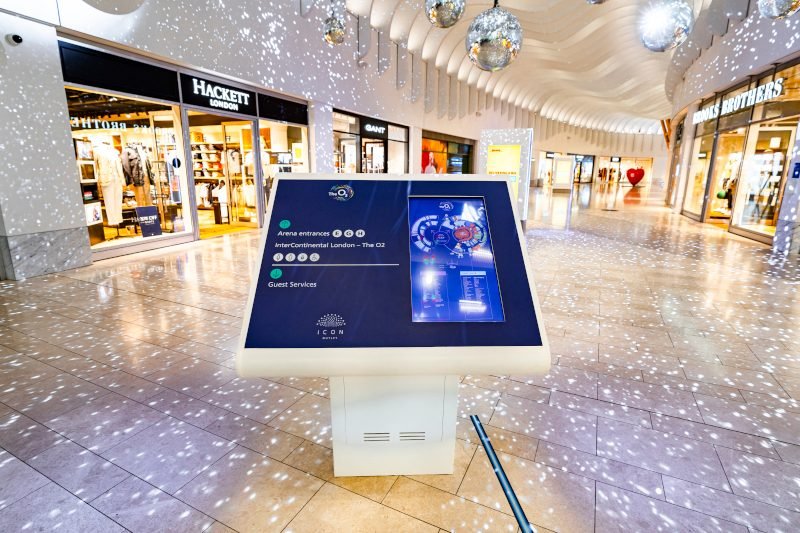
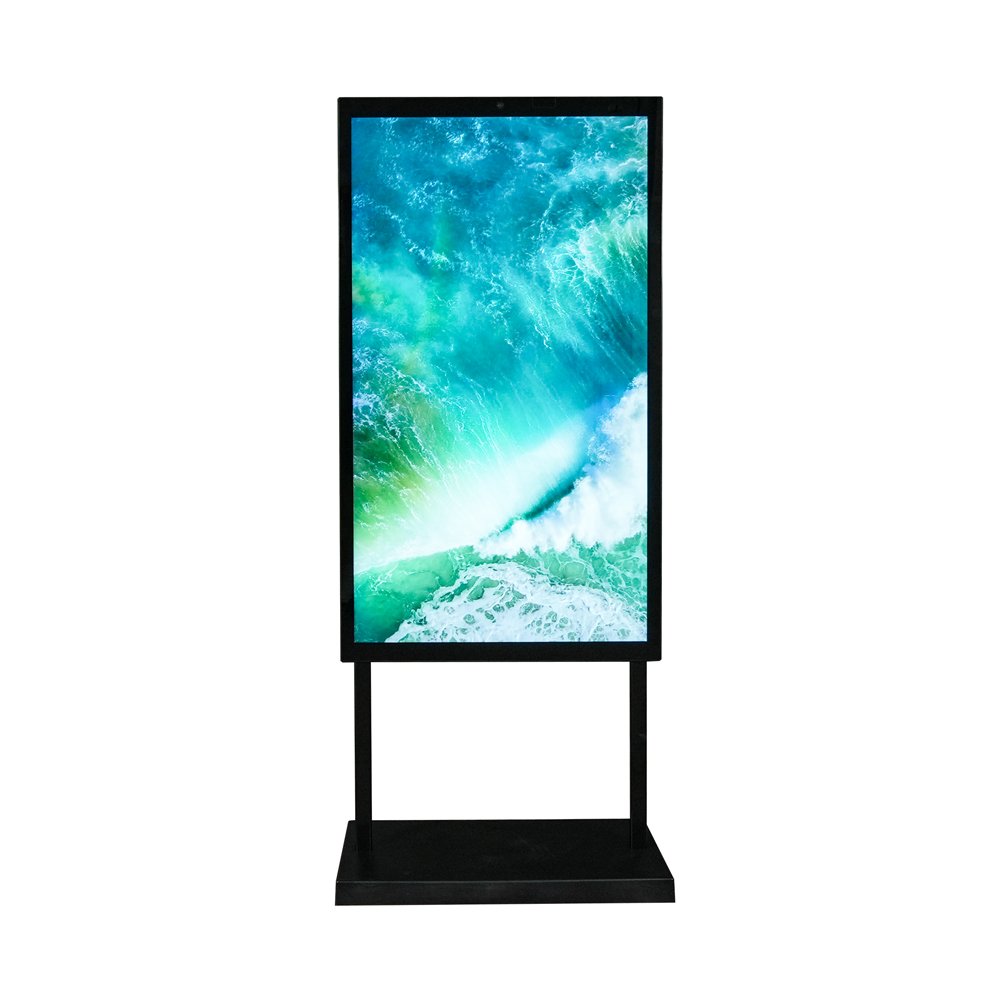
For example, digital signage kiosks in outdoor environments benefit greatly from the enhanced visibility and durability provided by optical bonding.
Case Studies: Optical Bonding Success Stories
To illustrate the real-world impact of optical bonding, let’s look at a few success stories:
- Automotive HMI displays: A leading car manufacturer implemented optically bonded touchscreens in their latest model, resulting in a 40% reduction in sunlight reflections and a 25% increase in touch accuracy.
- Ruggedized tablets for field service technicians: A utility company equipped their field technicians with optically bonded tablets, leading to a 50% decrease in screen-related failures and a 30% improvement in outdoor readability.
- Medical imaging equipment: A hospital upgraded their radiology department with optically bonded displays, resulting in a 35% improvement in image clarity and a 20% reduction in eye strain for radiologists.
Challenges and Considerations
While optical bonding offers numerous benefits, it’s important to consider some challenges:
- Initial cost implications
- Repair and maintenance considerations
- Importance of proper implementation and quality control
Despite these challenges, the long-term benefits often outweigh the initial investment for many industrial applications.
Future Trends in Optical Bonding Technology
As technology continues to evolve, so does optical bonding. Some exciting trends to watch include:
- Advancements in bonding materials and processes
- Integration with emerging display technologies (OLED, microLED)
- Customization options for specific industrial requirements
These developments promise to further enhance the capabilities of industrial touchscreens, opening up new possibilities for human-machine interaction in industrial settings.
Conclusion
Optical bonding is truly revolutionizing industrial touchscreens, offering unparalleled performance, durability, and usability in challenging environments. From enhanced visibility and improved touch accuracy to increased durability and extended temperature ranges, the benefits of this technology are transforming how industries interact with digital interfaces.
As we look to the future, it’s clear that optical bonding will continue to play a crucial role in the evolution of industrial touchscreen technology. For businesses looking to stay ahead of the curve and optimize their operations, investing in optically bonded touchscreens is no longer just an option – it’s becoming a necessity.
Whether you’re in manufacturing, healthcare, transportation, or any other industry relying on robust digital interfaces, consider how optical bonding can elevate your touchscreen experience. Explore our range of industrial touchscreen solutions to find the perfect fit for your needs and take the first step towards a more efficient, durable, and user-friendly industrial interface.


 English
  Arabic
  Spanish