






Overview
Industrial environments push hardware far beyond what consumer devices can handle. Heat, dust, vibration, moisture and continuous 24/7 operation quickly expose the limits of ordinary screens. Our industrial touch screen displays are built specifically for these demanding conditions, serving as the human–machine interface in factories, vehicles, outdoor kiosks and control rooms.
As a ruggedised touchscreens distributor and OEM supplier, we focus on delivering stable, long‑lifecycle platforms that can be deployed across many sites and projects. Instead of mixing different consumer tablets or office monitors, you can standardise on a family of industrial touch screens that share the same mechanical design language, mounting options and electrical interfaces. This reduces integration effort, simplifies maintenance and keeps total cost of ownership under control over the life of the system.
Whether you are designing a new machine, upgrading an existing line or rolling out a network of self‑service terminals, our industrial touch screen solutions give you a reliable hardware foundation. As a ruggedised touchscreens distributor, we not only supply off‑the‑shelf models but can also support custom requirements, from special front bezels and high‑brightness panels to tailored operating systems and firmware images.
Industrial touch screen product range
The industrial market is diverse, and different applications require different formats. That is why our product range covers multiple categories of industrial touch screen devices, each optimised for specific use cases while still allowing you to keep a unified ecosystem.
Industrial touch monitors
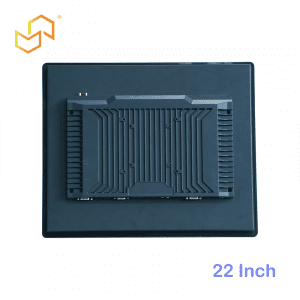
Industrial touch monitors are ideal when you already have a PC, PLC or embedded controller and only need a robust display with touch input. They connect via standard video interfaces such as HDMI, DisplayPort or VGA and expose touch via USB or serial.
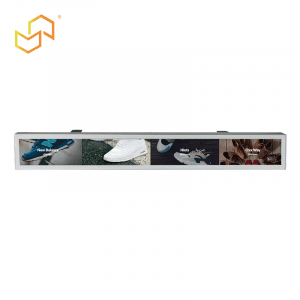
These monitors are available in a wide variety of sizes, typically from 7 inches up to 27 inches and beyond. Smaller displays work well in tight panels and machine doors, while larger sizes are suitable for control rooms, dashboards or multi‑view HMIs. As a ruggedised touchscreens distributor, we offer different aspect ratios, including traditional 4:3, widescreen 16:9 and square or ultra‑wide formats, so that engineers can choose exactly the layout that fits their application.
Panel‑mount and open‑frame touch screens
Panel‑mount and open‑frame variants are designed for integration into enclosures, kiosks and custom machines. Instead of using a stand or desktop mount, these displays are installed from the front or rear and fastened with clamps or screws. The visible bezel can be minimal or hidden completely behind your own fascia.
Panel‑mount designs usually provide an IP‑rated front surface that can be sealed against the machine door or kiosk housing. This keeps dust, moisture and cleaning fluids away from the electronics behind the panel. Open‑frame modules focus on giving OEMs maximum flexibility in terms of mounting and enclosure design, and are often used when building branded terminals or specialised industrial equipment.
Industrial Android and x86 panel PCs
In many projects, it makes sense to integrate the computing platform directly with the screen. Panel PCs combine the display, touch sensor, CPU, memory and storage into a single, compact unit. Industrial panel PCs can be based on x86 processors (such as Intel platforms) or on energy‑efficient ARM processors running Android.
Android‑based panel PCs are popular when you want to run custom apps, connect to cloud services or integrate with existing Android software ecosystems. x86 panel PCs are well-suited to traditional SCADA applications, Windows‑based control software or Linux HMI frameworks. As a ruggedised touchscreens distributor, we provide both types, with options for different CPU performance levels, RAM configurations and storage capacities, so you can match the hardware to your software stack.
High‑brightness and sunlight-readable touch screens
Standard displays can be difficult to see in bright or outdoor environments. For applications such as outdoor kiosks, forklift terminals near loading docks or vehicle dashboards exposed to sunlight, high‑brightness panels are required. These industrial touch screens use backlights with increased luminance, sometimes combined with optical bonding and anti‑reflection coatings, to maintain readability in challenging conditions.
Sunlight-readable options typically offer brightness levels well above standard office monitors, often in the range of 700 to 1,500 nits or higher. The ability to clearly read the display at all times improves safety and usability, especially when operators rely on the screen to monitor processes or receive instructions.
Custom front bezels and OEM mechanicals
For OEM customers and system integrators building branded equipment, a standard black bezel is not always enough. We support custom front bezels, including special colours, logos, shapes and materials, to ensure that the industrial touch screen matches the overall design of the machine or kiosk.
Mechanical customisation can include changes to mounting points, overall thickness, frame geometry or the integration of additional elements such as indicator LEDs, buttons or card readers around the display. As a ruggedised touchscreens distributor, we work closely with engineering teams to align mechanical details with both functional and aesthetic requirements.
Ruggedised design for harsh environments
The core difference between an industrial touch screen and a consumer display is not only the housing, but also the way every component is chosen and integrated. Ruggedised design starts with a clear understanding of the environment where the device will operate.
Rugged housing and glass
Industrial touch screens use metal or reinforced housings that can handle vibration, shock and mechanical stress. In a machine environment, displays are mounted on doors, arms, panels or brackets that may be exposed to frequent opening, closing and accidental impacts. A rigid, well‑designed housing keeps the internal electronics secure and prevents gradual damage over time.
The front glass is another critical element. Toughened or chemically strengthened glass helps resist scratches and impacts from tools, parts or other equipment. Optical bonding, which uses an adhesive layer between the glass and the LCD, can further improve impact resistance and eliminate the air gap that can trap dust or condensation. Optical bonding also enhances contrast and readability, especially in bright light, by reducing internal reflections.
Environmental protection and sealing
Industrial settings often involve airborne dust, oil mist, moisture or cleaning agents. Many of our industrial touch screen displays feature IP‑rated front panels, meaning they are tested to resist dust and water ingress to specific standards. An IP65‑rated front, for example, protects against dust and low‑pressure water jets, making the display suitable for wash‑down areas or outdoor enclosures when properly integrated.
Fanless cooling is preferred in most ruggedised designs. Instead of using fans that draw in air (and dust), the system relies on passive heat spreading through the housing and internal heat sinks. This reduces noise, minimises moving parts and improves long‑term reliability. Wide operating temperature ranges allow the same industrial touch screen to be used in cold storage, hot production halls or outdoor cabinets without performance degradation.
Consistent performance over time
Ruggedised design is not just about surviving a single incident; it is about delivering consistent performance over years of operation. Industrial‑grade components, such as capacitors and connectors rated for extended temperature and duty cycles, help ensure that brightness, touch response and overall system behaviour remain stable throughout the product’s lifespan.
As a ruggedised touchscreens distributor, we understand that many projects have long service lives. Supporting a display platform for many years, rather than constantly replacing it with new consumer models, is essential for industrial customers who depend on consistent performance and long‑term availability.
Touch technologies and interaction
How operators interact with an industrial touch screen can vary greatly between environments. Some wear gloves, some work in wet conditions, and some need precise stylus input.
Projected capacitive touch
Projected capacitive (PCAP) touch technology is widely used in modern industrial installations. It provides a smooth glass surface, multi‑touch capability and high accuracy. Operators can pinch, zoom and swipe, making complex graphical HMIs intuitive and easy to use. PCAP is well-suited for clean environments or where a protective overlay is not required.
For harsher settings, PCAP can be tuned or combined with specific controllers to support operation with thin gloves or even in slightly wet conditions. The overall glass stack, controller firmware and integration need to be carefully designed, which is where working with a ruggedised touchscreens distributor offers an advantage. You gain access to configurations already validated in similar environments.
Resistive touch and specialty options
Resistive touch technology, while less common in new consumer devices, remains important in some industrial applications. It responds to pressure rather than capacitance, which means it can be used with thick gloves, styluses or any object. In environments where multi‑touch is not needed but reliability in difficult interaction conditions is critical, resistive touch remains a robust option.
In certain projects, specialty solutions such as infrared touch frames or surface acoustic wave technologies may also be considered. These allow designers to maintain specific glass thicknesses, shapes or protective coatings while still enabling accurate touch input.
Connectivity and integration
A key requirement for industrial touch screen deployments is the ability to integrate seamlessly with existing hardware and software systems.
Video and data interfaces
For monitor‑style products, we support common interfaces like HDMI, DisplayPort and VGA for video input. Touch signals are usually transmitted via USB, but in some industrial setups, serial interfaces such as RS‑232 or RS‑485 are preferred. Having these standard connections simplifies replacement and allows integrators to use their choice of computers or controllers.
Panel PCs go further by combining the display and computing unit. They typically include multiple LAN ports, USB ports, serial ports and digital I/O, so they can communicate with PLCs, sensors, actuators and upstream networks. Some models support Wi‑Fi or cellular connectivity for remote sites or mobile applications.
Software platforms and operating systems
Industrial touch screen systems must support the software stack chosen by the integrator. Windows and Linux remain common in many control and SCADA environments, while Android is increasingly used for cloud‑connected dashboards, kiosks and mobile‑style interfaces in fixed installations.
As a ruggedised touchscreens distributor, we provide configurations tailored for these platforms. This can include pre‑installed operating systems, embedded licenses, BIOS/UEFI settings optimised for 24/7 operation, and even locked‑down kiosk modes. Software images can be customised so that your application launches automatically, minimising on‑site setup and configuration time.
Typical applications
The flexibility of industrial touch screen displays means they appear in a wide array of sectors. By standardising with a ruggedized touchscreens distributor, you can reuse the same core hardware across many projects while only adapting software and enclosure details.
Industrial automation and manufacturing
In factories and process plants, industrial touch screens form the front end of HMIs and SCADA systems. Operators monitor production lines, adjust setpoints, view alarms and analyse KPIs directly from these interfaces. Screens may be mounted on swinging arms, integrated into panels or placed in operator stations.
Reliability is essential: a failed display can disrupt production, cause downtime and impact safety. Ruggedised industrial touch screens are therefore preferred over consumer monitors, which are not designed for constant operation or exposure to dust, oil mist and vibrations.
Transportation and vehicles
Industrial touch screens are increasingly used in vehicles, from forklifts and warehouse trucks to public transportation and construction machinery. They can display route information, task lists, diagnostics and camera feeds.
Vehicle environments introduce significant vibration, temperature swings and sometimes humidity and dust. Working with a ruggedized touchscreens distributor ensures that the chosen device has been designed and tested for such conditions, with appropriate power input ranges and mounting options.
Outdoor kiosks and self‑service terminals
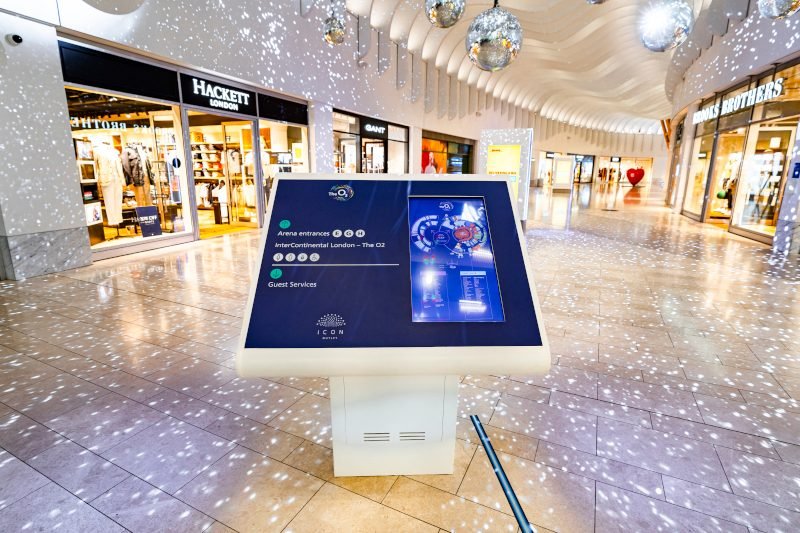
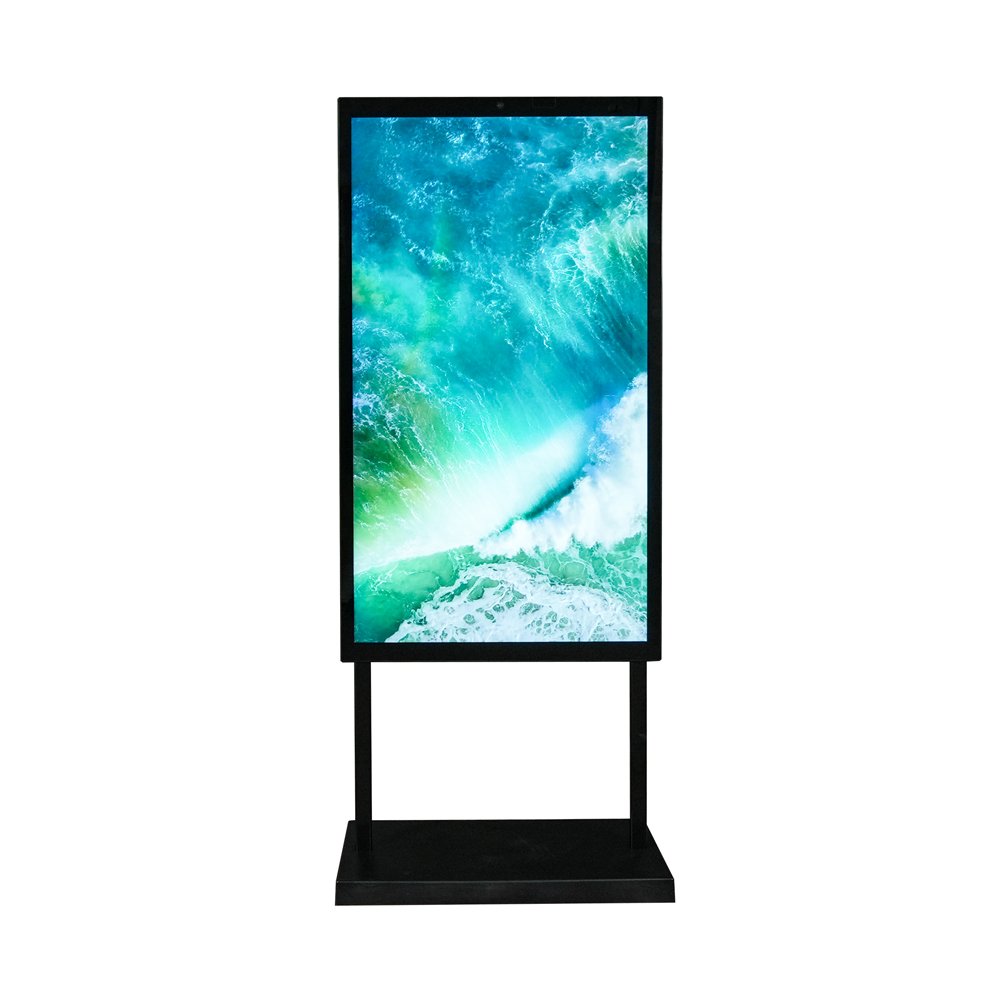
Ticketing kiosks, parking payment stations, information terminals and wayfinding screens often operate outdoors or in semi‑outdoor settings such as train stations, stadiums and campuses. These require sunlight-readable displays, robust enclosures and vandal‑resistant glass.
Industrial touch screens used in this context must withstand both weather and frequent public interaction. A ruggedised design with sealed front surfaces and secure mounting helps protect the investment and maintain usability over time.
Energy, utilities and infrastructure
In power plants, substations, water treatment facilities and other infrastructure sites, industrial touch screens provide local control and monitoring. These locations may be remote, difficult to access or subject to environmental extremes, making reliability and low maintenance crucial.
Standardising on ruggedised touch screens means that technicians only need to learn one hardware platform, and spare units can be stocked and swapped with minimal configuration effort.
Why work with a ruggedized touchscreens distributor
Selecting a ruggedized touchscreens distributor rather than piecing together hardware from multiple consumer sources can transform the lifecycle cost and reliability of your projects.
Reliability and long‑term availability
Industrial systems are often deployed for many years. Consumer displays change frequently, making it difficult to guarantee replacements or maintain a consistent interface across installations. Industrial touch screen platforms from a ruggedised touchscreens distributor follow longer product life cycles and controlled revisions, allowing you to plan.
Reliability is also enhanced through the use of carefully selected components and extensive testing. Burn‑in procedures, environmental testing and vibration testing help identify potential weaknesses before products are shipped. This reduces the risk of early failures and keeps field service costs under control.
Integration and customisation support
When you work with a ruggedised touchscreens distributor, you gain access to engineering support, documentation and customisation options that extend far beyond a simple catalogue purchase. Mechanical drawings, 3D models and electrical interface details make it easier to design enclosures and panels.
If you need a specific connector layout, special cable lengths, a different cover glass thickness or a modified mounting pattern, these can often be accommodated at the project stage. Firmware and BIOS settings can be adjusted to meet security policies or startup behaviour requirements. Even branding elements, such as logos, front labels, and packaging, can be aligned with your corporate identity.
Simplified supply and logistics
Projects involving multiple sites, countries or product variants require careful supply chain planning. A ruggedised touchscreens distributor can help coordinate batch production, stock levels and shipping arrangements so that hardware is available when needed.
Volume pricing structures, framework agreements and scheduled deliveries can all be used to align hardware supply with your project timelines. This helps avoid delays during rollout and ensures that spare units are available for maintenance or expansion.
Projects involving multiple sites, countries or product variants require careful supply chain planning. A ruggedised touchscreens distributor can help coordinate batch production, stock levels and shipping arrangements so that hardware is available when needed.
Volume pricing structures, framework agreements and scheduled deliveries can all be used to align hardware supply with your project timelines. This helps avoid delays during rollout and ensures that spare units are available for maintenance or expansion.
If your project requires a higher level of resistance to shock, vibration, extreme temperatures or environmental stress than standard industrial touch screens can provide, you can also work with us as a ruggedised touchscreens distributor to define a tailored hardware platform for harsh conditions.
Ready to standardise your next project on reliable industrial touchscreen hardware from a trusted, ruggedised touchscreen distributor? Share your size, environment, quantity and interface requirements with our team, and we will recommend or customise the industrial touch screen platform that best fits your application. Get in touch today to start building robust, long‑life HMI and embedded solutions that keep your systems running in even the harshest environments.

 English
  Arabic
  Spanish