Airport and metro digital screen kiosks are mission-critical for managing millions of passengers through complex transportation hubs. In high-stress environments with luggage, tight schedules, unfamiliar layouts, and diverse languages, self-service kiosks deliver ticketing, gate information, wayfinding, baggage services, and real-time updates.
This comprehensive guide covers everything airport and metro operators need for Airport and metro digital screen kiosks: extreme-durability hardware, multilingual ticketing flows, real-time API integrations, passenger analytics, compliance requirements, and proven deployments at Changi Airport, KLIA, and Dubai Metro.
Series progression: Corporate Lobby Kiosks | Self-Service Overview | Hospital Check-In
Why Airport and Metro Digital Screen Kiosks Are Mission-Critical
Transportation hubs process millions under extreme conditions:
Peak Hour Realities
500+ passengers/hour per kiosk Multilingual (10+ languages needed) Luggage encumbrance (hands-free interaction) Time pressure (missed flights/connections) Weather extremes (rain, heat, humidity) 24/7 operation (red-eye flights, late metro)
Longer queues → missed flights/connections Poor information → lost passengers/panic Frustrated staff → service breakdown Revenue loss → unsold services/upgrades
Proven Impact Metrics
Industry benchmarks (Changi, KLIA, Dubai Metro): ├── Queue reduction: 52–68% ├── Passenger satisfaction: +41 NPS points ├── Staff reallocation: 3.2 FTE per 10 kiosks ├── Gate compliance: +27% (fewer wrong gates) ├── Revenue uplift: 14% (upsold services)
KLIA deployment: 42 kiosks across 4 terminals = 1.2M self-service transactions/month, 47% queue reduction.
Core Functions: 7 Essential Workflows
1. Ticketing and Fare Payment (50% usage)
Airport Check-In (90 seconds target):
1. Passport scan/manual entry (10s)
2. Flight selection (5s)
3. Seat selection + upgrades (20s)
4. Baggage allowance (10s)
5. Payment + boarding pass print (30s)
6. Baggage tag + bag drop QR (15s)
Metro Ticketing (45 seconds):
1. Destination/concession selection (10s)
2. Fare calculation (10s)
3. Payment (NFC/cash/card) (15s)
4. Ticket/mobile QR (10s)
Regional payments: EZ-Link, Octopus, Touch ‘n Go, Nol Card, Alipay, GrabPay.
2. Real-Time Passenger Information (25% usage)
Live Flight APIs: ├── Gate changes (color-coded alerts) ├── Boarding countdown timers ├── Baggage claim carousels ├── Delay notifications Metro Status: ├── Train arrival times (platform-specific) ├── Service disruptions ├── Interchange directions
3. Wayfinding and Directory (15% usage)
Interactive 3D Navigation: ├── Terminal/station maps (zoom/pan) ├── Gate/platform finder (ETA/walking time) ├── Amenities (restaurants, prayer rooms, lounges) ├── Immigration/customs paths
Self Bag Drop: ├── Weight verification ├── Bag tag printing ├── Drop point directions Lost & Found: ├── Item description + photo upload ├── Claim ticket generation ├── Status tracking
5. Retail/Services Upsell (5% usage)
Duty-Free Pre-Order | Taxi Booking | SIM Cards | Lounge Access
6. Multilingual + Accessibility
12 Languages: English/Chinese/Arabic/Bahasa/Tamil/Korean + Voice Guidance WCAG 2.1 AA | Braille labels | Wheelchair routes
Evacuation maps | Medical emergency | Lost child | Suspicious activity
Hardware: Extreme Environment Specifications
Mission-Critical Display Requirements
DISPLAY SPECS BY ENVIRONMENT: Airport Terminal | Metro Station | Outdoor Check-In
Size: 32-65″ | 21.5-43″ | 55-75″
Brightness: 1500-3500 nits | 1000-2000 nits | 3500+ nits
Touch: IR frame | IR/PCAP |
IR only Glass: 12mm laminated | 8mm AG | 15mm hardened
IP65+ weatherproof (rain/splash) IK10 impact resistance (luggage/vandalism) -20°C to +60°C (-4°F to 140°F) Anti-corrosion (coastal airports) Lightning surge protection Metro vibration rating
Transportation-Specific Peripherals
PAYMENT TERMINALS: ├── Coin/bill acceptors (metro) ├── EMV/NFC/QR (global cards) ├── Local transit cards TICKETING HARDWARE: ├── 100mm thermal printers ├── Passport/MRZ scanners ├── Boarding pass (A4/A6) ├── Bag tag printers ├── QR code scanners
Software Architecture: Real-Time Reliability
Enterprise Platform Specs
OS: Android 14 LTS | Linux embedded CPU: Intel i7 | ARM octa-core 2.8GHz+ RAM: 16GB | Storage: 512GB NVMe Network: 5G + Cat6 + PoE++ | Dual SIM failover Power: Dual PSUs | 30min UPS Offline: Critical functions cached
1. FIDS (Flight Information Display System) 2. CUTE (Common Use Terminal Equipment) 3. BHS (Baggage Handling System) 4. Metro SCADA (train control/status) 5. Fare collection systems 6. CCTV integration (security)
IATA standards (airport ticketing), PCI DSS Level 1 (payments), GDPR/PDPA (passenger data), WCAG 2.1 AA (accessibility)
UI/UX: High-Stress Passenger Design
Stress-Optimised Flows
PRINCIPLE: 3-TAP MAXIMUM (most functions) Large buttons (60px+ touch targets) Colour-coded urgency (red=delay, green=on-time) Progress indicators (“Step 2/4”) “Start Over” always visible
1. Check-In/Ticketing (50% largest button) 2. Flight/Train Status (25%) 3. Wayfinding (15%) 4. Baggage (5%) 5. Services (5%)
Multilingual Implementation
Auto-detect (device language) + manual toggle 12 languages with native voice RTL support (Arabic) Simplified icons (universal understanding)
Strategic Deployment Architecture
Multi-Kiosk Terminal Layout
Large Airport (Changi-scale): ├── Terminal 1-4: 10 kiosks each (check-in) ├── 4 kiosks/terminal (transfer desks) ├── 6 kiosks (baggage services) ├── 2-4 kiosks (arrivals) Metro Hub Station: ├── 8-12 ticketing kiosks (entrances) ├── 4 wayfinding kiosks (platforms) ├── 2 baggage claim (interchange)
Peak Hour Capacity Planning
Target: 500+ transactions/hour/kiosk Peak load: 30s average transaction 99.9% uptime (mission-critical)
Complete Deployment Roadmap
Phase 1: Pilot (6-8 weeks)
Week 1-2: Site survey + API mapping Week 3-4: Hardware manufacturing Week 5: Integration testing Week 6-7: Staff training + soft launch Week 8: Full pilot evaluation
Phase 2: Terminal Rollout (12 weeks)
40 kiosks across terminals, Centralised NOC monitoring, Live API cutover 24/7 operations team
Phase 3: Optimisation (Ongoing)
Weekly analytics review, Monthly content refresh, Quarterly hardware audit, Annual contract review
Changi Airport Terminal 4 Case Study
Deployment: 28 kiosks (check-in + transfer) Pre-kiosk: 4.2 min average check-in Post-kiosk: 1.8 min (-57%) Staff savings: 12 FTE ($1.2M SGD/year) Peak hour capacity: +320% Passenger NPS: +38 points
Cost Structure (20-Kiosk Airport Deployment)
CAPEX: ├── Hardware: $285,000 (55″ ruggedised) ├── Integration: $68,000 (FIDS/CUTE) ├── Installation: $24,000 └── Year 1 Total: $377,000 OPEX Annual: ├── CMS: $18,500 ├── Maintenance: $14,200 ├── Content: $8,900 └── Total: $41,600 ROI: Payback 9.2 months | 3-Year NPV: $1.47M
LCDSLD Airport and Metro Digital Screen Kiosks Solutions
Airport Portfolio
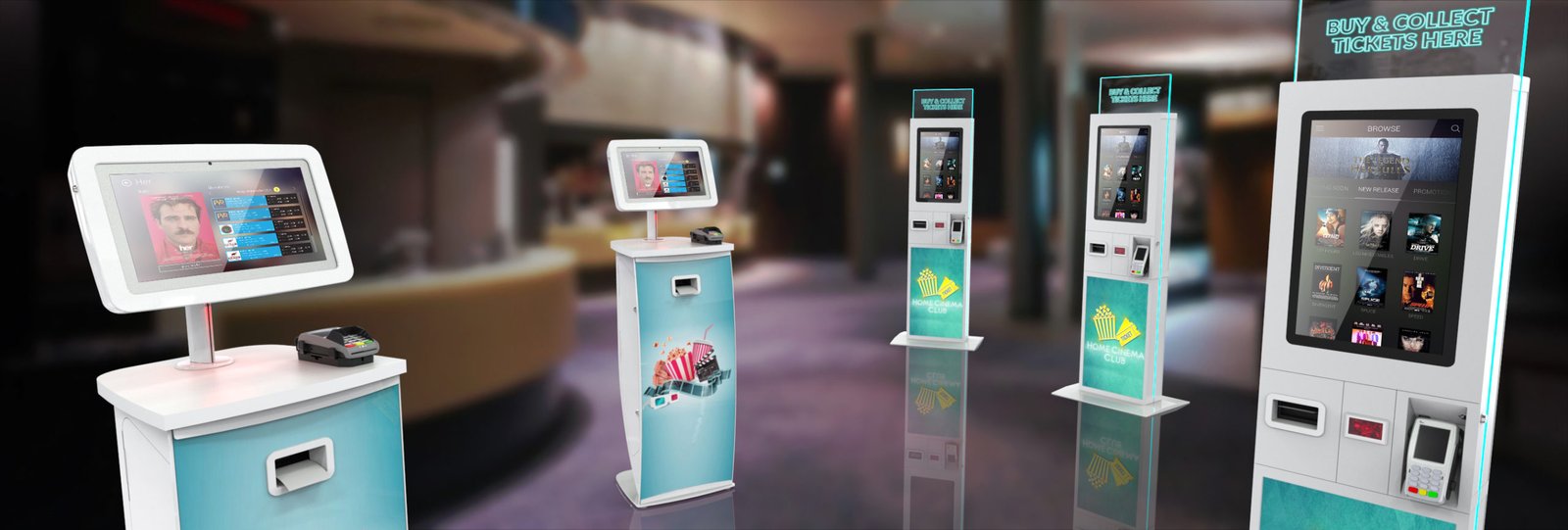
55″ Airport Check-In Kiosk
3500 nits sunlight-readable IATA-compliant ticketing Bag tag printing Multilingual 12 languages Changi T4 certified
IP65 weatherproof FIDS real-time integration Compact footprint, 5G connectivity
43″ Metro Ticketing Kiosk
Touch ‘n Go/EZ-Link certified Coin/bill acceptor, Anti-vandal IK10 24/7 operation
Live train times, Interchange wayfinding, Emergency functions, Wall-mount optimised
Browse transportation kiosks.
Implementation: 48-Hour Proposal Process
Transform your airport/metro operations:
1. UPLOAD SPECS (5 minutes) ├── Terminal/station maps ├── Daily passenger volume ├── Existing systems (FIDS, fare collection) ├── Language requirements
2. EXPERT REVIEW (30 minutes) ├── Capacity planning ├── API integration roadmap ├── Hardware recommendations
3. CUSTOM PROPOSAL (48 hours) ├── BOM + pricing ├── Integration scope ├── 3/5-year TCO analysis ├── Pilot deployment timeline
Changi Airport T4: 28 kiosks, 57% faster check-in, KLIA Terminal 1: 42 kiosks, 1.2M transactions/month, Dubai Metro: 156 kiosks, 92% uptime
Start your transportation kiosk project.
Complete Airport and Metro Digital Screen Kiosks Series



 English
  Arabic
  Spanish