


حاسوب لوحي لخطوط معالجة الأغذية
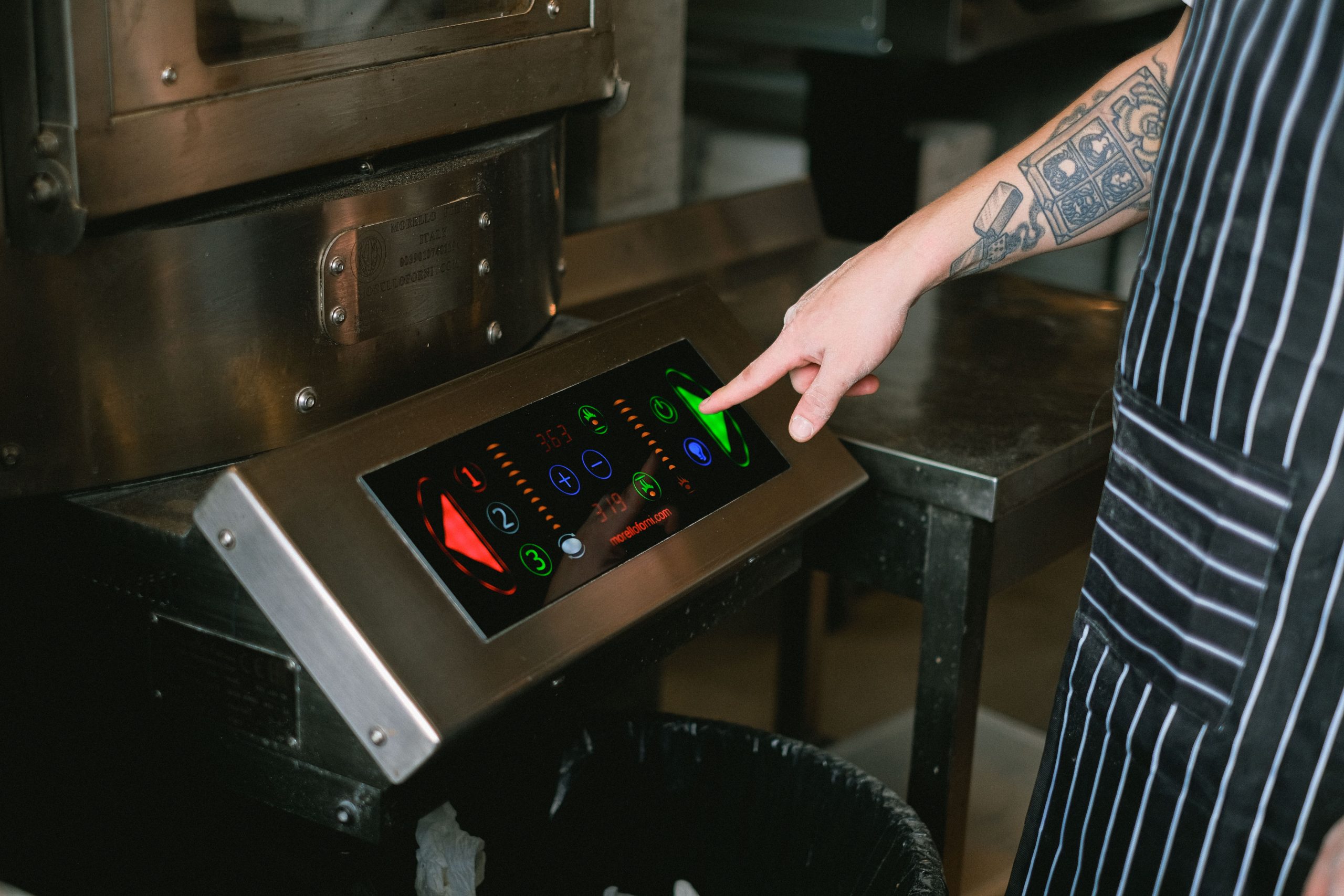
Food processing lines are rough on equipment. A panel PC in this environment is not just a screen with a computer behind it; it is part of a hygiene-sensitive workflow that gets sprayed, wiped, steamed, and inspected far more often than a normal industrial terminal. If the unit is hard to clean, traps residue, or starts corroding around the edges, the problem shows up quickly.
That is why the real question is not whether a panel PC can run the software. The better question is whether it can stay clean, stay sealed, and stay reliable after months of daily sanitation. For the broader product conroduct context, Panel PC | LCDSLD is a good place to start.
Panel PC for Food Processing Lines. Why are food lines different?
A food line has its own rules. A panel PC mounted near a conveyor, filler, packaging station, or control point will usually face moisture, chemical cleaners, temperature swings, and constant human contact. That is very different from a general factory floor, where dust and vibration may be the main concerns.
So when people ask for a “rugged” panel PC, I usually push the conversation one step further. Rugged against what, exactly? In food processing, the answer is usually washdown, sanitation chemicals, and corrosion pressure. Once that is clear, the rest of the decision becomes much easier.
Hygiene comes first
If a device is difficult to clean, it does not belong near food production. That sounds obvious, but it is where many projects make their first mistake. A good food-line panel PC should have smooth surfaces, minimal seams, and a front that can be wiped down without residue hiding in corners.
Here is the practical test: if a sanitation worker has to work around the panel PC instead of through it, the design is probably wrong. Smooth geometry matters because food facilities are judged not only by uptime, but by how well equipment supports cleaning routines.
Washdown is the real stress test
Washdown changes everything. A unit that looks fine in a dry demo room can fail fast once it starts seeing hot water, foam cleaners, disinfectants, and repeated pressure washing. That is why IP ratings matter, but only as part of the full picture.
The useful question is not “Does it have a good rating?” It is “Does the whole system stay protected when the team cleans the line the way they actually clean it?” If the answer depends on careful handling or special exceptions, the hardware is probably not right for food processing.
Sealing is a system, not a badge
This is where a lot of product pages oversimplify things. Sealing is not just about the front bezel. It is about the connectors, the cable exits, the rear cover, the mounting interface, and the way all of those parts behave after cleaning day after day. If one part is weaker, that part becomes the failure point.
For food lines, I would look for:
-
Fully sealed connectors.
-
Protected cable routing.
-
Minimal exposed fasteners.
-
A structure that stays sealed after repeated wash cycles.
If the line uses aggressive washdown, IP69K-class protection is usually the right benchmark. The point is not to chase a number for its own sake. The point is to match the hardware to the cleaning routine.
Stainless steel is usually the safer choice
In food processing, stainless steel is not a luxury material. It is the material that makes daily sanitation more manageable over the long run. Compared with coated or painted surfaces, stainless steel is much less likely to peel, stain, or degrade where the cleaner hits hardest.
A simple rule of thumb works well here:
-
SUS304 fits many standard food and beverage lines.
-
SUS316 is the better option when corrosion pressure is stronger or the environment is harsher.
The reason this matters is practical, not theoretical. Once surface damage starts, cleaning gets harder, and once cleaning gets harder, hygiene risk goes up.
Mounting affects cleaning
Mounting is easy to treat as an afterthought, but in a food plant, it changes how the line is cleaned and how safely operators work around the machine. A badly placed panel PC can block access, create splash traps, or force people into awkward cleaning positions.
That is why a good installation should make sense from both sides: the operator side and the sanitation side. I usually check three things at once:
-
Whether the display is easy to read from the working position.
-
Whether the cleaning crew can reach the area without fighting the bracket.
-
Whether the cable layout stays protected and tidy over time.
A nice-looking installation is not enough. The real test is whether it still feels sensible after six months of use.
I/O still matters, but keep it tight
Food processing systems still need practical connectivity. The difference is that every port should justify itself. If the application only needs a few sealed connections, that is better than loading the enclosure with open interfaces that will rarely be used.
This is also where connector quality becomes especially important. In washdown environments, connectors are often the first point of failure. So the port list should be built around reliability and sealing, not convenience alone.
Product selection fit
Once the hygiene and sealing requirements are clear, product selection becomes more focused. LCDSLD’s حاسوب لوحي صناعي مثبت على معيار VESA category is a practical starting point for rugged all-in-one options. If the software is more app-driven, the Android Industrial Panel PC category is worth a look as well.
صفحتان للمنتجات تتناسبان بشكل طبيعي مع هذا النقاش هما: كمبيوتر لوحي مضمن صناعي مقاس 22 بوصة مثبت على معايير VESA و ال كمبيوتر لوحي مدمج مثبت بمعايير VESA مقاس 10 بوصة. They show how different sizes can still support the same basic requirement: a rugged terminal that fits the line without making sanitation harder.
Technical and selection dimension
This topic sits squarely in the technical and selection dimension of Panel PC planning. In food processing, the mistake is usually not choosing the wrong CPU. It is choosing the wrong enclosure, the wrong sealing approach, or the wrong mounting style and then trying to patch the rest later.
A clean way to think about it is this:
-
First, define the cleaning method.
-
Then decide on the material and sealing level.
-
After that, check the mounting and the connector layout.
-
Only then compare display size, OS, and performance.
That order may feel slow, but it saves time in the long run. In washdown areas, the cheapest mistake is often the most expensive one to fix.
Why the factory story helps
A short مقدمة المصنع is useful here because food-processing hardware needs more than a spec sheet. Buyers want to know whether the supplier understands repeatable stainless-steel builds, sealing consistency, and practical customisation.
That matters even more in food projects because the hardware is part of a compliance-sensitive environment. If the supplier cannot build consistently, the line will feel it later in maintenance, downtime, and replacement work.
التعليمات
What matters most in a food processing panel PC?
Washdown resistance usually matters most because the device has to survive cleaning without becoming a contamination risk.
Is stainless steel always necessary?
It is not mandatory in every industrial setting, but for food processing, it is usually the safest and most practical choice.
Do I need IP69K?
If the panel PC will face high-pressure, high-temperature cleaning, IP69K-class protection is the right benchmark to compare against.
What is the difference between SUS304 and SUS316?
SUS304 is widely used in food and beverage equipment, while SUS316 is better when corrosion pressure is higher.
Why do connectors matter so much?
Because the connector area is often where water, residue, and cleaning chemicals get in first.
A panel PC for food processing lines should be chosen for hygiene, washdown resistance, sealing, and material durability first. Once those basics are right, the rest of the decision becomes a lot more straightforward, and the device is far more likely to stay reliable in a line that gets cleaned hard and often
If you are planning a food-processing deployment, start with Panel PC | LCDSLD and then compare the حاسوب لوحي صناعي مثبت على معيار VESA و Android Industrial Panel PC categories to narrow the hardware fit. For product-level comparison, the كمبيوتر لوحي مضمن صناعي مقاس 22 بوصة مثبت على معايير VESA و ال كمبيوتر لوحي مدمج مثبت بمعايير VESA مقاس 10 بوصة are useful reference points.
For direct discussion or customisation support, use the اتصل بنا صفحة.
 Arabic
  English
  Spanish